
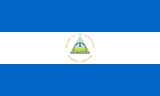
Play as · Cold War 1947 · L1 · Somoza dictatorship · Succession crisis
Nicaragua - 1947
Nicaragua's 1947 opening is a succession crisis inside Anastasio Somoza García's dictatorship. Somoza has left the presidency under pressure to observe a constitutional limit, but he retains command of the National Guard and the machinery of the governing Liberal Party. Leonardo Argüello wins the February election amid manipulation and takes office on 1 May. Once inaugurated, he tries to remove Somoza allies from key posts and assert presidential authority over the Guard. Somoza answers with a coup after only twenty-six days. Argüello seeks refuge and eventually exile; a compliant congress installs Benjamín Lacayo Sacasa, and Víctor Manuel Román y Reyes follows in August. The scenario's year-level frame therefore contains several formal heads of state but one persistent center of coercive power. The global context raises the stakes. Washington is organizing the inter-American system against communism, Costa Rica is approaching civil war, Guatemala is pursuing democratic reform, and Caribbean exiles discuss overthrowing regional dictators. Nicaragua is an anti-communist ally whose internal arrangements contradict the representative institutions the hemisphere publicly celebrates.
Starting position
The National Guard gives Somoza command of barracks, police work, intelligence, radio links, and provincial enforcement. Presidents possess decrees and ministries; the Guard decides whether orders travel beyond paper. Liberal officials rely on patronage tied to the Somoza network, while Conservatives can bargain over electoral rules without gaining equal access to force. The treasury benefits from postwar demand for coffee, cotton's emerging promise, cattle, gold, and timber, but infrastructure and credit remain concentrated along the Pacific corridor and in connected enterprises. Rural laborers and Caribbean communities receive little leverage from constitutional maneuvering in Managua. External relations present contradictory instruments. United States officers can influence training and recognition, yet Washington values stability and strategic access. Exiles associated with the Caribbean Legion may assist Nicaraguan dissidents, while Somoza can aid opponents of governments he dislikes. The player who occupies the presidential chair without controlling appointments must build an alternative chain of authority quickly. The player acting as Somoza must decide how much constitutional humiliation the alliance can absorb before foreign recognition or domestic compliance weakens.
What turns the campaign
The first pivot is Argüello's confrontation with the Guard. A negotiated schedule for retirements, legislative oversight, and mixed civilian appointments offers a chance to transfer power without asking officers to surrender overnight. Secret purges invite a coup; unconditional retreat confirms that elections cannot govern. Opposition leaders need a common program extending beyond removal of one family, including rules for police, property, and the next vote. Otherwise Somoza can present himself as the only barrier against disorder or communism. Regional operations are equally dangerous. Supporting armed plots in Costa Rica or Guatemala can gain leverage but invites retaliation and turns the Guard into a foreign-policy actor. Inter-American commitments provide a legal route: accept observation, professional training with civilian conditions, and diplomatic mediation. Economic decisions can distribute postwar credit and road construction beyond loyal businesses, creating constituencies for ordinary administration. They can also bankroll a family conglomerate whose commercial control survives changes in title. The Cold War label must not flatten every rival into an ideological proxy. Nicaragua's immediate conflict is constitutional command; anti-communism is the language through which participants seek outside support.
Signature challenge
Separate command from ownership
Nicaragua's campaign is decided when the state can change presidents without asking the Guard commander's permission. That requires more than removing Somoza. Disbanding the force abruptly risks fragmented violence and leaves no neutral police. Keeping it intact under a renamed director preserves its patronage files, business interests, and habit of intervention. A credible settlement divides police from military functions, places spending and promotions under public law, prosecutes political violence through courts, and offers rank-and-file personnel a future outside personal loyalty. It must also protect opponents from revenge so that elites stop treating exile and invasion as normal transitions. Historical Nicaragua failed this test: Somoza restored himself formally in 1950, was assassinated in 1956, and the dynasty passed through his sons until the 1979 revolution. NationFall places the lever earlier, during the twenty-six-day presidency that briefly exposed a gap between office and power. Victory means widening that gap into civilian control before the coup closes it. If achieved, Nicaragua can participate in the postwar inter-American order as a republic rather than a dependable barracks. If missed, every aid mission, export boom, and regional crisis becomes another asset owned by the dynasty.
Try the Nicaragua campaign
Free demo. Survive the 26-day presidency crisis and place Nicaragua’s armed power under institutions that can transfer peacefully.
Play Free Demo as NicaraguaRegional: Costa Rica · Panama · Guatemala
Nicaragua across the eras