
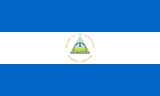
Play as · WW2 1939 · L1 · Somoza dictatorship · Guard state
Nicaragua - 1939
Nicaragua in 1939 is controlled by President Anastasio Somoza García, who converted command of the United States-trained National Guard into political supremacy. The Marines departed in 1933; Guard officers assassinated Augusto César Sandino in 1934; Somoza removed President Juan Bautista Sacasa in 1936 and won an engineered election. A new constitution extends his term and centralizes authority. Formal republican offices still operate, but governors, police, soldiers, and much of the governing Liberal Party understand where effective power lies. Nicaragua initially remains outside the European conflict. Its strategic value comes from the same geography that attracted canal schemes, air routes, and Caribbean defense planning. The United States regards Somoza as a dependable anti-Axis partner despite his dictatorship. Coffee, gold, cattle, timber, and bananas earn foreign exchange; imported fuel, machinery, and manufactures remain vulnerable to shipping controls. German commercial connections and residents will come under scrutiny as the hemisphere polarizes. Declarations of war on Japan, Germany, and Italy follow the attacks of December 1941, giving the regime emergency powers and an external language for deeper domestic control.
Starting position
The National Guard is the regime's army, police, intelligence service, and promotion ladder. Its reach is strongest along the Pacific corridor from Corinto and León through Managua to Granada, while Atlantic districts and remote mining zones depend on scattered posts, river movement, and local intermediaries. Equipment and training come largely through the United States. In a conventional war Nicaragua contributes locations, patrols, surveillance, and political cooperation rather than a major expeditionary force. Airfield and naval access can help protect Caribbean approaches and the Panama Canal, but every foreign mission that strengthens Guard communications also strengthens Somoza against Nicaraguans. The ruling family is accumulating land and business interests, blurring public procurement with private enrichment. Export controls and Allied purchasing can fill the treasury while directing contracts to loyalists. Opposition Conservatives remain constrained rather than erased, and independent Liberals can still become a threat if Washington decides stability no longer requires Somoza personally. The administration therefore starts with broad coercive capacity and shallow institutional legitimacy, a combination that makes wartime growth easier to capture than to share.
What turns the campaign
Your campaign choices determine whether alliance becomes national development or family property. Washington can provide arms, training, construction, and preferential demand for strategic materials. In return it expects dependable base access, counterespionage, and protection of canal approaches. A professionalization program could separate Guard budgets, promotions, and courts from the presidency; Somoza's safest personal strategy does the opposite. Economic policy must handle shortages and windfall prices without allowing the Pacific elite to monopolize transport and credit. Gold from northeastern mines, coffee from the uplands, and livestock from the interior create different logistics and labor demands. Measures against Axis nationals require evidence and legal procedure. Confiscation offers assets to the regime and a loyalty test for rivals, but it converts foreign policy into patronage. The later diplomatic record supplies another warning: Somoza sometimes changed formal presidents while retaining Guard command and decisive influence. If the player treats constitutional succession as theater, Allied victory will leave the same domestic emergency in place. If opposition participation expands too abruptly without guarantees for officers, the Guard may sabotage reform or manufacture disorder to prove its necessity.
Signature challenge
Make the state larger than the Guard
The signature problem is that Nicaragua's most capable national institution is designed to serve a ruler. Wartime partnership rewards immediate reliability: a single commander can grant access, suppress suspected networks, and deliver votes without bargaining. Long-term security requires the reverse qualities: divided authority, audited accounts, civilian courts, and officers who survive a lawful transfer without choosing the winner. NationFall asks whether resources arriving for hemispheric defense can build those restraints before they build an enduring dynasty. You can create a separate customs administration, publish defense agreements, distribute infrastructure beyond family holdings, and make promotion depend on service rather than kinship. Each reform reduces Somoza's personal control and may provoke preemptive resistance from insiders. Alternatively, concentrate everything and gain a fast, orderly mobilization whose political cost appears only after the global war. The historical regime emerged stronger, weathered a nominal presidential interlude, and placed Somoza's sons in position to inherit power after his 1956 assassination. A successful 1939 campaign leaves Nicaragua able to cooperate against Axis threats without teaching every future president that control of one armed corps is a substitute for consent. The hardest victory condition is a loyal defense force that is loyal to law first.
Try the Nicaragua campaign
Free demo. Use wartime cooperation to build a state, or let the National Guard turn every new resource into dynastic power.
Play Free Demo as NicaraguaRegional: Costa Rica · Panama · Honduras
Nicaragua across the eras