
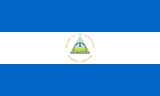
Play as · WW1 1914 · L1 · Republic under US occupation
Nicaragua - 1914
Nicaragua enters 1914 as a formally independent republic with United States Marines guarding the political order created after the 1912 rebellion. President Adolfo Díaz depends on Conservative allies, American recognition, and a financial arrangement that places customs revenue under foreign supervision. Marines hold Managua and help secure the railway, while an American-officered legation guard protects the capital. Liberal opponents retain memories, networks, and grievances from the defeat of Benjamín Zeledón. The European war is distant from Nicaragua's fields, yet the isthmus has become strategically important because a second interoceanic canal could compete with the new route in Panama. On 5 August 1914 the Díaz government signs the Bryan-Chamorro Treaty, granting the United States an exclusive canal option and leases connected to the Corn Islands and a potential Gulf of Fonseca naval base in exchange for three million dollars. Ratification comes in 1916, so the signed bargain is a developing decision during this scenario. Costa Rica and El Salvador object that their treaty rights and regional security were ignored. Nicaragua begins the world war already caught in a contest over who may bargain away its geography.
Starting position
Your coercive power is divided. The Nicaraguan army and constabulary answer to a government whose survival has relied on foreign troops; the Marines possess better organization and determine what threats Washington will tolerate. The railway from Corinto through the Pacific cities toward Managua is the strategic spine. Corinto handles much of the customs income pledged to creditors, Granada and León remain rival political centers, and the sparsely governed Caribbean side includes the Corn Islands named in the treaty. Coffee is the leading export, with cattle, timber, mining, and smaller tropical products supporting regional elites. War can disturb shipping and credit even if Nicaragua remains neutral. The treasury cannot freely redirect customs receipts, and the government's interest in the treaty payment collides with the long-term value of canal sovereignty. Armed Liberals could turn fiscal distress into renewed rebellion, but repression backed by Marines confirms that elections are secondary to American preference. A force-first campaign may hold the rail line while losing any path to a government that can stand after occupation ends.
What turns the campaign
The canal treaty is your central decision rather than a finished fact. Accepting it on the historical terms brings cash and locks rival powers out, but it offers no promise that a canal will actually be built. It also hands Washington control over options whose strategic value exceeds the payment and exposes Nicaragua to legal challenges from neighbors. Renegotiation could reserve revenue, time limits, or shared regional rights, at the risk that American support for Díaz weakens. Domestic legitimacy requires a separate settlement with Liberals: amnesty, credible local elections, and a security force not identified with one party. You can ask the Marines to withdraw quickly, but doing so before neutral institutions exist may simply restart civil war. Keeping them indefinitely protects the cabinet and freezes the political grievance that later fuels Augusto César Sandino's resistance. European belligerents offer little practical alternative. German commerce can be pressured by blockade, and no European navy is positioned to replace United States financing. The meaningful diplomacy is Central American: repair relations with Costa Rica and El Salvador, reduce the Gulf of Fonseca dispute, and prevent the canal question from isolating Managua inside its own region.
Signature challenge
Turn a client state back into a republic
Nicaragua's signature challenge is sequencing sovereignty. Cancel every foreign arrangement on the first turn and you may lose customs credit, recognition, and the military shield before the state can replace them. Preserve every arrangement and the republic becomes an administrative shell whose president cannot credibly claim consent. The player needs milestones that foreign officials and domestic rivals can both verify: audited revenue collection, debt service that leaves money for government, integrated security units, protected opposition newspapers, and elections whose result does not depend on the Managua garrison. The canal option should be valued as a scarce strategic asset, not treated as emergency cash. Corinto's customs house, the Pacific railway, and the Caribbean concessions are connected pieces of the same bargaining position. Success means using that position to shorten occupation and broaden government rather than financing a narrower dictatorship. The historical occupation persisted, withdrew briefly, returned in 1927, and ended only in 1933 after Sandino's war; the National Guard built during that struggle then enabled Somoza. A different 1914 settlement can change that chain, but only if Nicaraguans inherit institutions capable of restraining both victorious factions and the armed force created to police them.
Try the Nicaragua campaign
Free demo. Renegotiate the canal bargain, restore public finance, and build institutions able to outlast the Marines.
Play Free Demo as NicaraguaRegional: Costa Rica · Panama · Honduras
Nicaragua across the eras