
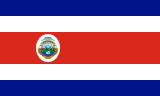
Play as · Cold War 1947 · L1 · Constitutional crisis · Armed republic
Costa Rica - 1947
Costa Rica in 1947 is an armed republic approaching a constitutional break, not yet the demilitarized democracy remembered later. President Teodoro Picado governs in alliance with former president Rafael Ángel Calderón Guardia's Republican Party and the Communist-led Popular Vanguard. Their wartime coalition embedded social insurance, labor rights, and constitutional Social Guarantees, achievements with genuine working-class support. Opposition leaders answer that the administration has compromised electoral institutions, patronized supporters, and tolerated political coercion. Otilio Ulate is organizing an electoral challenge for February 1948. José Figueres Ferrer, expelled after a 1942 radio denunciation of Calderón and back in the country by 1944, represents a more militant current with weapons, regional contacts, and plans extending beyond an ordinary campaign. The Caribbean Legion links anti-dictatorial exiles across Central America and the Caribbean, while neighboring Nicaragua remains under Anastasio Somoza García's influence. Coffee and bananas still finance the state, and postwar inflation sharpens distributional conflict. Every decision about ballots, police, labor, and arms can either contain the crisis or supply the spark for civil war.
Starting position
The government controls the army, police, ministries, and formal electoral machinery, but it does not command broad trust. Its armed institutions are modest enough that a determined rebel coalition could contest the Central Valley, especially if weapons arrive through sympathetic regional networks. Calderón's movement can mobilize beneficiaries of social reform; Popular Vanguard brings disciplined labor organization; the Catholic Church's support for the 1943 settlement gives it moral cover. The opposition combines coffee interests, urban professionals, anti-communists, and democratic reformers who do not agree on the post-crisis state. That fragmented alignment is both a weakness and a reservoir of recruits. External power works through recognition, mediation, and neighboring sanctuaries. Washington dislikes communist influence but is also wary of dictators and blatant electoral fraud. Somoza can arm one side, close a border, or calculate that prolonged Costa Rican disorder benefits Managua. Revenue is another front. Keeping social programs solvent during shortages and inflation strengthens their legitimacy; using public employment as partisan spoils confirms the opposition's case. The army's loyalty cannot compensate for a vote count most citizens reject.
What turns the campaign
Your decisive choice is how to make the 1948 election authoritative before anyone knows its result. A transparent voter register, protected opposition meetings, credible counting, and a mutually accepted review process reduce the value of private arsenals. The historical sequence shows the failure mode: Ulate was reported ahead; Congress annulled the result amid accusations and a disputed fire that destroyed ballots; Figueres launched an uprising in March; roughly six weeks of fighting ended with government defeat. Those events remain ahead in the 1947 opening. Reform supporters need guarantees that a transfer of power will not erase labor law or social insurance. Opposition leaders need assurance that legality is more than a delay while the governing coalition fixes the outcome. Regional diplomacy can isolate arms traffickers and secure mediation, yet inviting Nicaraguan or United States pressure may turn a national dispute into a proxy contest. Military deployments around San José, Cartago, Limón, and the Pacific approaches must deter seizures without intimidating voters. Food supply and wage bargaining also matter because a strike or price spike can be misread as insurrection and answered with force.
Signature challenge
Earn the peace before abolishing the army
The famous endpoint is tempting: Figueres's victorious junta abolishes the army in December 1948, and the 1949 Constitution makes that decision durable. NationFall does not hand the player that outcome in advance. The signature challenge is to discover which political bargain can make armed arbitration unnecessary. One route prevents war through an election pact that protects both transfer of office and the Social Guarantees. Another survives the historical conflict but limits reprisals, disarms irregulars, and returns authority to civilians on schedule. A darker route lets either coalition monopolize the state, preserving favored institutions while destroying the consent beneath them. The best settlement must answer concrete questions: who verifies ballots, who commands barracks during transition, how are Calderonista workers protected, what happens to Caribbean Legion weapons, and how does the treasury maintain pensions and health insurance? Army abolition only works if police, courts, diplomacy, and taxation can perform the duties left behind. Victory in this campaign is therefore institutional sequence. Secure a legitimate mandate, bind former enemies to the constitutional order, retain social reform as national law, and then reduce the armed forces from a political prize to a problem the republic can permanently solve.
Try the Costa Rica campaign
Free demo. Make the coming vote credible, protect social reform, and keep political rivalry from becoming civil war.
Play Free Demo as Costa RicaRegional: Nicaragua · Panama · Guatemala
Costa Rica across the eras