
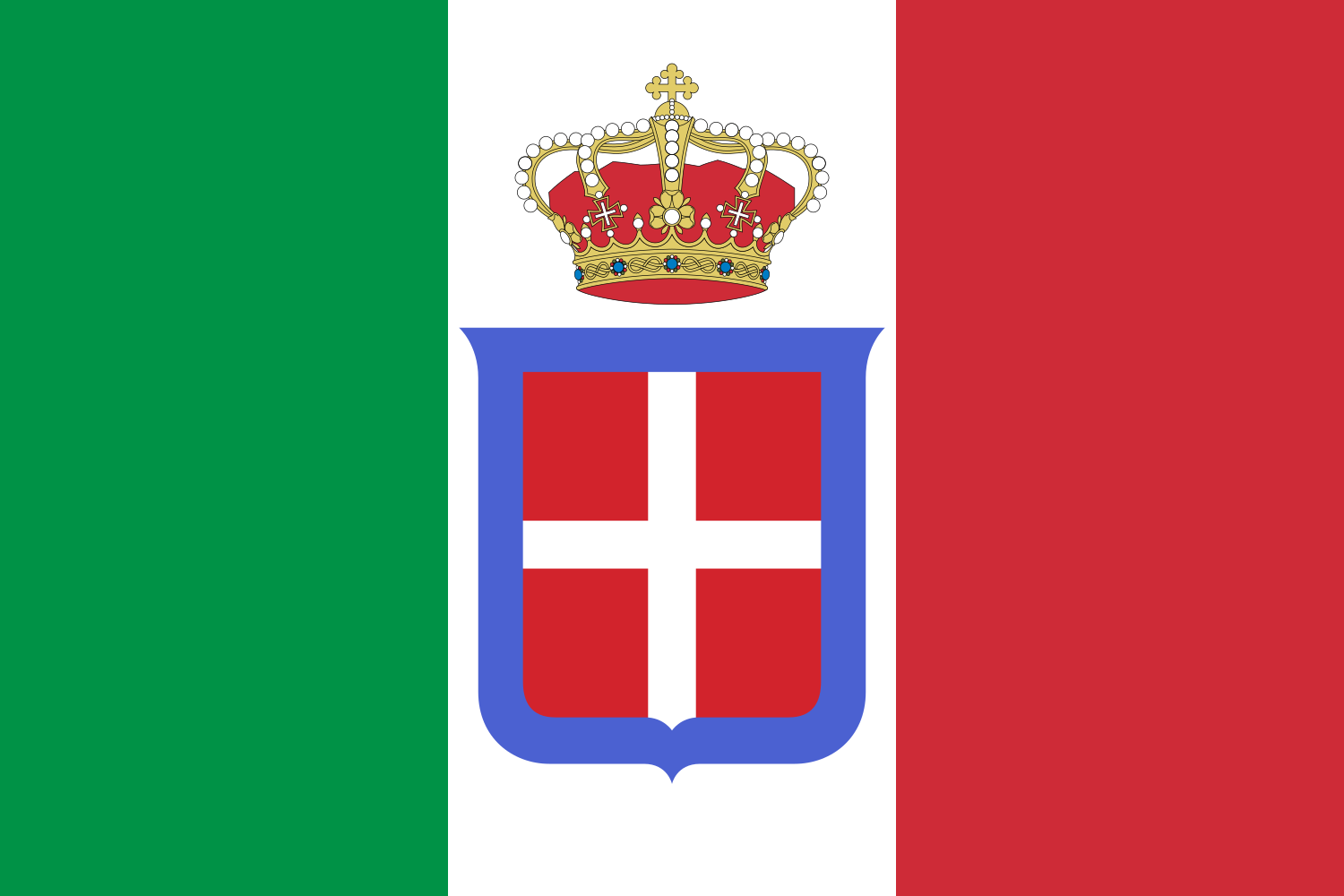
Play as · WW1 1914 · L1 · Contested Italian Colony · Coastal Enclaves
Italian Libya - 1914
Italian Libya in August 1914 is a claim larger than the territory Rome securely controls. Italy seized Tripolitania and Cyrenaica from the Ottoman Empire in the war of 1911–12 and joined them under a colonial administration, but resistance continues inland. Tripoli, Benghazi and other coastal positions depend on sea supply, while the Sanusi order commands religious, commercial and armed networks across Cyrenaica and the desert. Ottoman officers and matériel did not vanish merely because a treaty transferred sovereignty on European paper. Italy begins the European war neutral, so the governor must not assume British Egypt is an ally or Ottoman forces are legal enemies. Arab and Amazigh communities have varied interests; describing all opposition as one rebellion produces poor intelligence and indiscriminate retaliation. The opening challenge is to distinguish defendable administration from cartographic ambition. Ports, wells, caravan junctions and agreements with local leaders determine effective reach. A player who tries to occupy every interior district immediately will disperse conscripts across distances that shipping and roads cannot support.
Starting position
The Italian garrison holds fortified towns, coastal roads and selected inland posts with metropolitan infantry, colonial units and locally recruited auxiliaries. Its weakness is movement between them. Desert columns consume water, fodder, tyres and animals faster than coastal depots can replace them, and a lost well can stop an operation without a battle. Survey stocks in Tripoli, Homs, Misrata, Derna and Benghazi, establish reliable coastal shipping, and withdraw isolated detachments whose political value does not justify a rescue column. The western and eastern provinces require separate command pictures: Tripolitanian resistance, Fezzan routes and Cyrenaican Sanusi influence do not answer to one headquarters timetable. Requisition policy must pay for grain, camels and transport, since forced seizure gives mobile resistance both recruits and intelligence. Settler schemes should pause where title is disputed. Italian courts can protect contracts and investigate abuses without conceding sovereignty. These administrative choices release troops from static policing and allow a small mobile reserve to respond when a convoy, telegraph line or oasis is genuinely threatened.
What turns the campaign
The wider war can transform the colony even before Italy enters it. Britain controls Egypt and watches the western frontier; the Ottoman government may encourage Sanusi attacks to tie down British forces. France rules Tunisia and holds Saharan territories south and west, creating opportunities for liaison but also competing colonial claims. Rome must decide whether neutrality requires tighter frontier control or quiet accommodation with neighbours. If Italy later joins the Entente, British requests against the Sanusi may arrive just as Libyan resistance forces Italian withdrawals. Do not promise simultaneous offensives from Tripoli and Cyrenaica without shipping, water and political agreements. Use intelligence from merchants and zawiya networks, but verify reports before collective punishment. Keep grain markets functioning as imports become uncertain, ration military fuel, and protect coastal civilians from panic evacuations. Parliament and newspapers in Italy will measure success by coloured maps; the governor should instead report posts supplied, roads open and communities under negotiated administration. Honest reporting may limit prestige, but it prevents Rome from reinforcing positions that cannot survive a prolonged interruption at sea.
Signature challenge
Choose the colony Italy can actually govern
Italian Libya’s defining decision is whether to consolidate a viable coastal administration or spend the army pursuing nominal control across the interior. Consolidation requires more than walls around Tripoli and Benghazi. It means dependable coastal steamers, protected cisterns, telegraph repair, medical stations and agreements that allow caravans to trade without treating every tax dispute as treason. Establish provincial councils with merchants, notables and community leaders able to contest levies and land decisions, while keeping military command responsible for clearly defined security zones. In Cyrenaica, recognize that the Sanusi possess social authority as well as fighters; negotiations over pilgrimage, markets and arms may separate pragmatic leaders from committed Ottoman partners. In Tripolitania, avoid transferring eastern assumptions to towns and tribes with different rivalries. Success leaves Italy holding connected ports, solvent customs and forces concentrated enough to deter attack while political agreements expand slowly inland. Failure scatters battalions among exposed forts, answers ambushes with reprisals and loses the countryside faster than reinforcements arrive. The player cannot make colonial conquest equitable, but can decide whether war exposes its limits honestly or drives the administration toward a ruinous fantasy of total occupation.
Try the Italian Libya campaign
Free demo. Pick WW1 1914. Pick Italian Libya. Govern the positions your supply system can hold.
Play Free Demo as Italian LibyaRegional: French Tunisia · Khedivate of Egypt
Italian Libya across the eras