
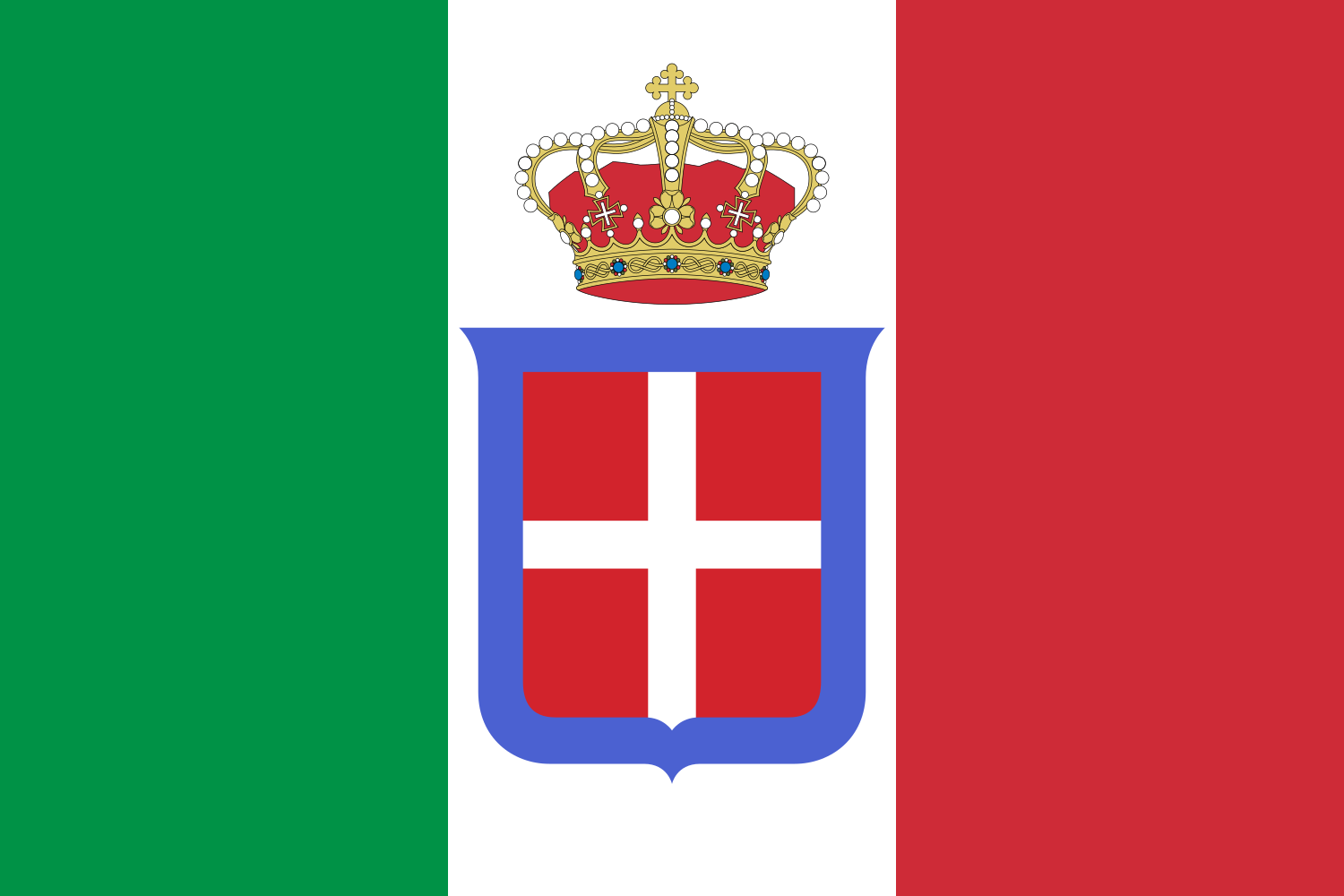
Play as · WW2 1939 · L1 · Italian Colony · Central Mediterranean Front
Italian Libya - 1939
Italian Libya in September 1939 is both a settler colony and the probable western base for war against British-held Egypt. Fascist rule has joined Tripolitania, Cyrenaica and Fezzan administratively, expanded Italian settlement and crushed much organized resistance through brutal campaigns, deportations and concentration camps. That violence produced apparent control without political consent. Governor-General Italo Balbo oversees new roads, airfields and coastal development while a large garrison waits on a frontier hundreds of kilometres from its main ports. Italy remains non-belligerent at the scenario opening, giving the player a limited preparation window. Tripoli and Benghazi receive supplies from across the Mediterranean; Tobruk and Derna support the eastern force; the Via Balbia connects positions along a narrow inhabited strip. Beyond it, desert navigation and water govern movement. Numbers alone exaggerate strength because many formations lack motor transport, modern artillery, radios and repair capacity. The strategic opening is an audit: determine which units can move, which ports can sustain them and which political liabilities will surface once shipping comes under attack.
Starting position
The colony contains metropolitan divisions, Blackshirt formations, Libyan colonial troops, border guards and air units with uneven readiness. Concentrating them near Egypt strains Tobruk’s harbour, coastal wells and road traffic. Dispersing them protects facilities but makes a rapid offensive impossible. Create separate inventories for fuel, vehicles, tyres, antitank guns, aircraft spares and water transport, then match plans to the scarcest category. Benghazi lies closer to the front than Tripoli but is smaller and exposed to air and naval attack; Tobruk is valuable precisely because losing it would force supply farther west. Improve unloading, camouflage dumps and organize recovery workshops before adding another infantry division. Local labour and transport contracts should pay predictably, including Arab communities displaced by settler land policy. Colonial battalions need reliable officers and family allotments, not assumptions that repression guarantees loyalty. Air reconnaissance must map tracks and identify navigable ground rather than merely count British camps. A defensible eastern posture with mobile reserves may contribute more than a premature advance whose vehicles consume their fuel before meeting the enemy.
What turns the campaign
If Mussolini enters the war, Rome may demand movement toward Alexandria to demonstrate partnership with Germany. Britain can retreat behind prepared positions, raid the desert flank and use the Royal Navy to attack coastal supply. The player must resist planning by distance on a map. Every kilometre east lengthens truck routes while British forces move closer to railheads in Egypt. Establish staged depots, water discipline, traffic control and recovery points; halt when maintenance capacity no longer supports the leading formations. French Tunisia is neutral only while France remains in the war, and Malta threatens central Mediterranean convoys. Intelligence cooperation with Italian naval and air commands should prioritize convoy arrivals and port defense. At home, censorship cannot hide shortages indefinitely. Provide civilian grain reserves and protect urban water systems so military demand does not produce unrest in Tripoli or Benghazi. Sanusi memory and Cyrenaican exile networks remain politically relevant even after pacification. Collective arrests may secure a road briefly while giving Britain recruits and guides for a future counteroffensive.
Signature challenge
Convert a parade-ground army into a supply system that can fight
Italian Libya’s signature problem is the gap between apparent mass and sustainable combat power. A large infantry establishment without trucks, radios, antitank weapons and workshops cannot exploit success or escape a British counterstroke. Reduce forward troop totals if necessary to create transport pools, mobile repair sections and adequately supplied artillery groups. Defend ports in depth with dispersal, firefighting and rapid runway repair, because Mediterranean interdiction will make every unloaded cargo precious. Train mixed reconnaissance columns for desert navigation and require commanders to report vehicle availability rather than nominal strength. Political administration belongs inside this plan. Forced labour, racial privilege and land seizures make the rear area expensive to police and discourage truthful reporting from local officials. Compensated contracts and limited municipal authority will not undo conquest, but they can keep markets, docks and roads functioning. Success produces an army capable of choosing when to advance and where to stand, backed by ports that recover from attack. Failure pushes impressive formations toward Egypt, exhausts them at the end of a single road and leaves the colony’s cities competing with defeated troops for the last fuel and water.
Try the Italian Libya campaign
Free demo. Pick WW2 1939. Pick Italian Libya. Make logistics decide the army’s real strength.
Play Free Demo as Italian LibyaRegional: Egypt · French Tunisia
Italian Libya across the eras