
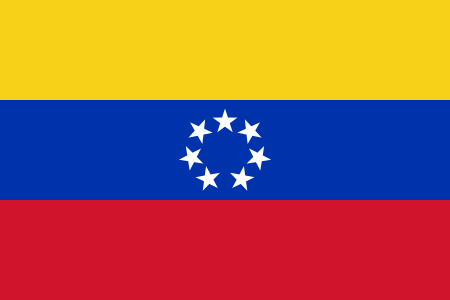
Play as · WW1 1914 · L1 · Caudillo State
Venezuela - 1914
At the 1914 start, Venezuela must be played through the institutions and assumptions that leaders possessed before total war revealed its scale. Juan Vicente Gómez ruled through patronage, coercion, customs income, and an army loyal to the regime; the future petroleum state was only beginning to emerge. Juan Vicente Gómez rules from Maracay through loyal officers, regional patrons, censorship, and control of customs. The memory of Cipriano Castro’s debt crisis and the 1902–03 European blockade makes neutrality a defense against gunboat diplomacy as much as European war. Venezuela’s relations with Britain include the settled but resented Guiana boundary; ties with the United States are increasingly useful. Apply port rules consistently at La Guaira, Puerto Cabello, and Maracaibo, and prevent exiles from turning foreign territory into invasion bases. Gómez should avoid ideological commitments that give creditors or rivals a reason to challenge the regime. Gómez should track exile financing in Curaçao, Trinidad, Colombia, and European ports while avoiding accusations unsupported by evidence. Foreign governments cooperate more readily against a documented armed expedition than against political critics. Distinguishing dissent from invasion planning also prevents every émigré newspaper becoming a diplomatic crisis.
Starting position
A centralized but modest army and scattered coastal defenses could suppress rivals, while foreign fleets and creditor pressure remained the harder strategic threat. The national army is being centralized to replace caudillo levies, but loyalty and communications matter more than nominal strength. Base dependable formations near Caracas and Maracay, guard the coastal corridor and customs houses, and use smaller posts to monitor the Colombian frontier and Orinoco approaches. Mountains protect the capital from the interior while making reinforcement slow. The navy can police harbours and carry troops but cannot deter a European squadron. Invest in telegraph, roads, magazines, and standardized weapons that reduce dependence on individual chiefs. A large mobilization risks arming men whose allegiance is personal and drawing labour away from export estates. Maracay’s growing military role needs dependable roads to Caracas and the coast, magazines outside coup-prone barracks, and officers promoted for training rather than personal kinship. Small technical missions can standardize artillery and communications, but no foreign adviser should acquire control over appointments or concessions.
What turns the campaign
Coffee and cacao still dominate exports in 1914; commercial petroleum production is only beginning, with major discoveries and concessions ahead. Customs therefore finance the regime and expose it to any shipping interruption. Maintain receipts honestly enough to reassure lenders, bargain for freight, and stock imported food and machinery. Oil concessions can attract capital and strategic attention, but granting vast terms for immediate cash may surrender the future fiscal base. Use surveys, royalties, and state access clauses before production expands. War-driven demand should fund communications and professional administration rather than more patronage, because a stronger treasury without stronger rules simply enriches the ruler’s network. The petroleum legal regime is the decisive long game. Require geological reporting, royalties, time limits, labour terms, and state rights of inspection before granting large blocks. Competition among British, Dutch, and American interests can improve terms only if officials negotiate through one transparent framework.
Signature challenge
Power, geography, and consent
The distinctive challenge for Venezuela is the gap between formal sovereignty and usable power. Venezuela’s signature challenge is transforming coercive stability into durable state capacity. Gómez can prevent civil war, yet institutions built solely around his personal command may not survive illness, succession, or an exile landing. Use army schools, regular pay, audited customs, and provincial communications to make loyalty institutional. Keep the 1905–1930 flag and sovereign formalities exact: after the blockade experience, symbolic errors carry political weight. Petroleum will make the Caribbean coast more valuable to outside powers, so negotiate before dependence hardens. Success preserves peace while converting export income into roads and administration. Failure mistakes quiet opposition for legitimacy and trades future oil leverage for short-term regime security. Caribbean ports should coordinate quarantine, customs, and coast watching because disease, contraband, and exile landings use the same routes. Revenue cutters and telegraph stations offer more practical security than a ceremonial cruiser. Their reports also help Caracas demonstrate neutrality when foreign warships question a merchant cargo.
Try the Venezuela campaign
Free demo. Pick WW1 1914. Pick Venezuela. Build influence that the era can sustain.
Play Free Demo as VenezuelaScenario: WW1 1914
Venezuela across the eras