

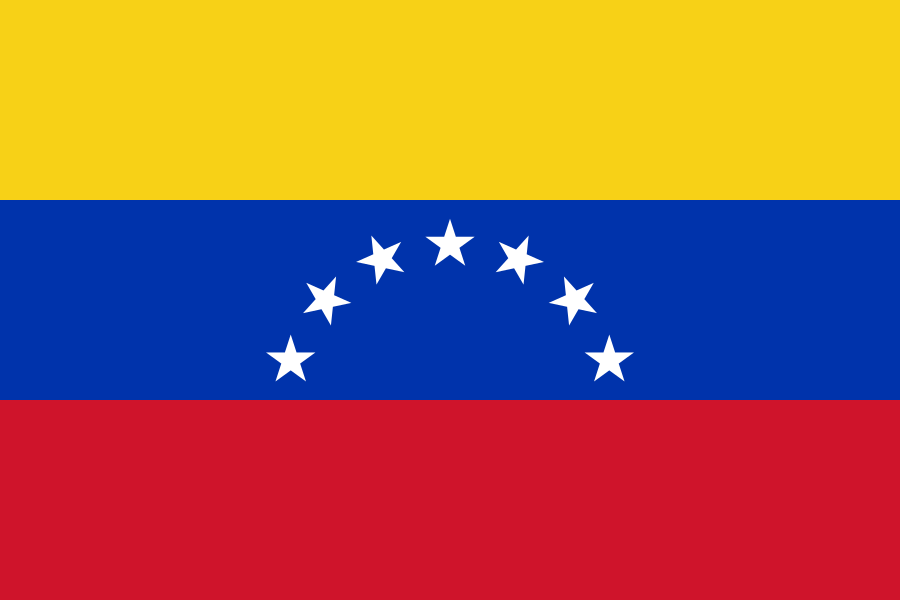
Play as · Cold War 1947 · L2 · Oil Republic in Transition
Venezuela - 1947
Venezuela opens 1947 during the democratic triennium created after the 1945 coup, with Rómulo Betancourt’s Revolutionary Government Junta preparing a new constitution and the country’s first direct presidential election, with novelist Rómulo Gallegos favoured to win. Acción Democrática is expanding suffrage, labour organisation, education, and state participation in oil revenue, while conservative elites and officers fear partisan dominance. Petroleum makes Venezuela strategically important and supplies extraordinary public income, but foreign companies, imported goods, and the concentration of facilities around Lake Maracaibo create dependence. The government’s fifty-fifty approach to oil profits promises funds for reform if production and investor confidence endure. Spend windfalls on schools, sanitation, roads, and administrative competence while reserving against price and output shocks. Democratic legitimacy is young and the military coalition that opened the system still possesses the means to close it. Keep officers professionally rewarded but outside party appointments, and make elected succession the immediate measure of national security.
Starting position
Oil can buy modern weapons faster than Venezuela can build institutions to maintain or command them. The armed forces are compact, politically decisive, and distributed around Caracas, ports, airfields, and petroleum zones. Prioritise loyal constitutional command, communications, transport, coastal patrol, and protection of refineries and tanker terminals. Lake Maracaibo’s channels and the Caribbean coast require naval awareness; the interior and long Colombian frontier need mobile light units and aviation rather than heavy armour. Procurement from the United States should include mechanics, ammunition, and doctrine adapted to Venezuelan geography. Avoid concentrating elite equipment in a single capital unit whose commander can arbitrate politics. Police should handle demonstrations under civilian rules, leaving soldiers for defence and exceptional emergencies. Roads to oil installations also need redundancy because sabotage or industrial accident can threaten most public revenue. A force that guards elections, pipelines, and borders under law gives the new republic time to root; a lavish but factional force merely makes the next coup more efficient.
What turns the campaign
The 1947 Rio security conference allows Venezuela to exchange petroleum leverage for a voice in hemispheric rules. Support collective consultation and defence of Caribbean sea lanes while insisting that assistance does not authorise foreign direction of domestic politics. Coordinate with Colombia on migration, smuggling, and frontier incidents, and keep the unresolved Gulf boundary from contaminating every relationship. The United States is the crucial oil customer and equipment source, but diversify commercial and diplomatic contacts so one negotiation cannot freeze the budget. At home, implement the elected transition visibly: professional electoral administration, opposition access, and restraint by party militants matter as much as the result. Use oil taxation predictably, publish allocations, and build revenue capacity beyond customs. Rapid social spending can establish legitimacy, yet projects need engineers and recurrent funding or they become abandoned symbols. Labour bargaining in the oilfields should improve wages without threatening production through arbitrary intervention. Early success leaves Gallegos with institutions, not merely a popular mandate, and gives officers reasons to accept civilian decisions they dislike.
Signature challenge
Power, geography, and consent
Venezuela’s signature problem is transforming oil wealth into a state strong enough to outlast the coalition that captured it. Petroleum enclaves can make national income look modern while agriculture, education, and local government remain weak. Link producing zones to domestic suppliers, train Venezuelan technicians, and invest royalties across regions so the resource is seen as public wealth rather than Caracas patronage. Strategic dependence runs both ways: foreign consumers need secure output, giving the government bargaining room, but a blockade, strike, or price change can suddenly remove its fiscal base. Maintain reserves and diversify exports before expanding permanent obligations. Democracy also needs losers who expect another election; prevent Acción Democrática’s reach from swallowing unions and administration, and guarantee conservative participation within law. By mid-campaign, success means peaceful presidential succession, audited petroleum revenue, infrastructure beyond the oil belt, and armed forces loyal to constitutional offices. Venezuela can then influence Caribbean and inter-American policy through reliable energy and democratic example. If soldiers remain the ultimate referees, every reform rests on permission that may be withdrawn overnight. Strengthen the comptroller, courts, and technical ministries before revenue expands again. Oil money administered through personal networks buys loyalty briefly while making every succession a contest for the treasury.
Try the Venezuela campaign
Free demo. Pick Cold War 1947. Pick Venezuela. Build influence that the era can sustain.
Play Free Demo as VenezuelaScenario: Cold War 1947
Venezuela across the eras