
Play as · WW1 1914 · L1 · Ottoman Frontier
Ottoman Transjordan - 1914
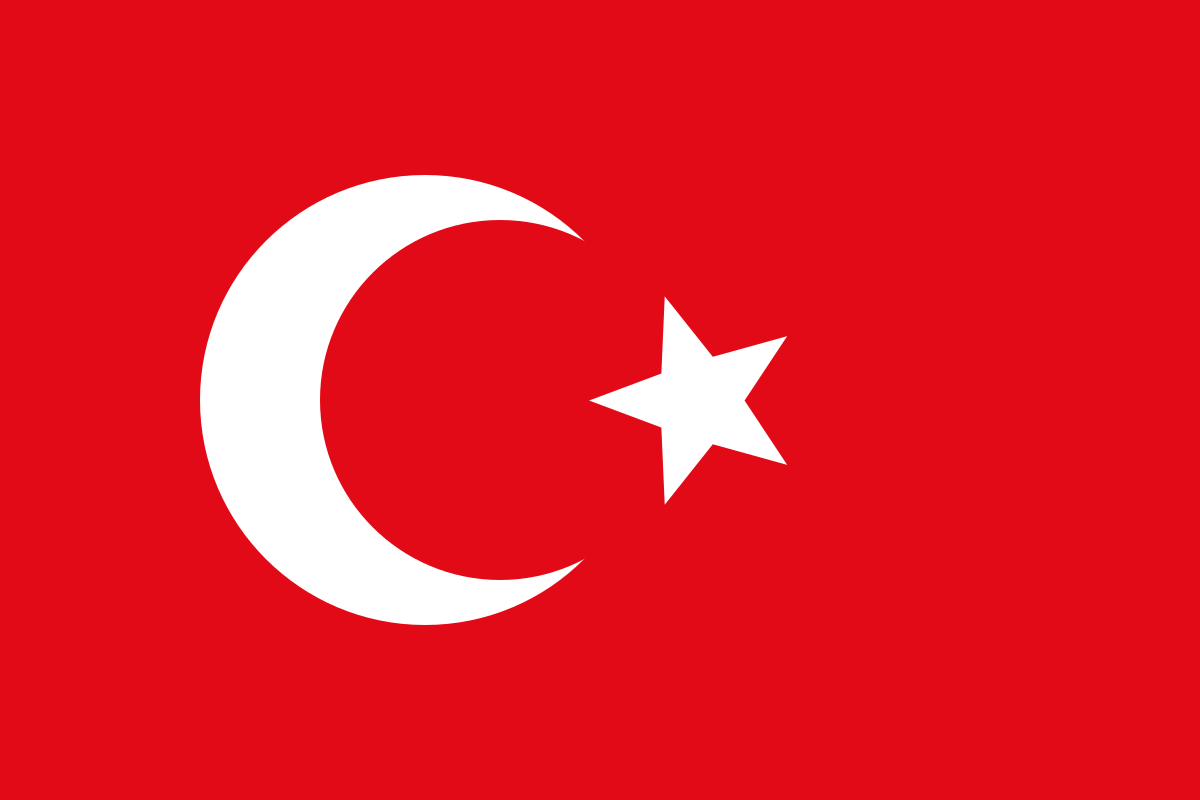
Jordan is not an independent kingdom in 1914. The territory east of the Jordan River belongs to the Ottoman imperial order and is administered in connection with Ottoman Syria, through districts, local authorities, garrisons, and routes rather than a Jordanian capital. Its strategic importance lies in position. The plateau and desert approaches connect Damascus, Palestine, the Hejaz, and the Arabian interior; the Hejaz Railway runs south through the region toward Medina, carrying pilgrims, officials, soldiers, and supplies. That makes the country later called Jordan a corridor, but a difficult one. Water is scarce away from settled areas, movement depends on known routes and local assistance, and an order from Damascus has limited value if it cannot reach the people expected to carry it out. The Ottoman flag marks the authority of the time. The guide begins with a frontier inside an empire, not with the Hashemite state that will emerge only after war and mandate.
Starting position
The opening position combines small towns, cultivated highlands, tribal territories, and a rail line whose strategic promise is greater than its resilience. Amman is beginning to grow around the railway, while Salt, Karak, Ma'an, and other centres connect administrative life to surrounding communities. Ottoman officials seek taxes, recruits, and reliable communication; local leaders seek security, autonomy, and workable terms with whoever can deliver both. The railway is an extraordinary asset because it shortens distances that caravans make arduous, but it is also a linear target dependent on bridges, stations, fuel, guards, and cooperation along its length. To the west, Palestine and the Suez approach make the wider Syrian theatre central to Ottoman plans; to the south, the Hejaz has religious and political weight that cannot be controlled from a map room. The region has no separate diplomatic voice, no national army, and no settled boundary regime. Its resources are knowledge of land, local networks, and a strategic route that several larger powers will want to use.
What turns the campaign
War turns Transjordan into a question of communications and allegiance. Ottoman commanders need the railway and desert routes to support operations toward the canal and to sustain the Hejaz. Britain and its regional partners look for ways to weaken those lines and build relationships beyond direct Ottoman control. Yet the events often associated with the area—especially the Arab Revolt and the later arrival of Emir Abdullah—belong to later years, not the 1914 starting point. At the opening, the key task is to understand the frontier as it is: part of an empire entering a wider war, with local actors who cannot be treated as passive scenery. Secure travel, avoid burdens that make cooperation impossible, protect the railway without assuming it alone governs the countryside, and watch how external promises alter local calculations. The campaign’s turning points will grow out of these connections rather than appear as a predetermined national liberation story.
Signature challenge
The corridor before the kingdom
Ottoman Transjordan’s central challenge is to preserve a corridor without mistaking it for a unified state. The territory’s value to the Ottoman Empire is its connection between fronts and holy places; its vulnerability is that those same lines give opponents clear points of pressure. A rail station, a water source, or a local agreement can matter more than a grand declaration because each determines whether people and supplies can move. The historical guide asks the player to manage a frontier whose political future is unresolved. Do not invent a Jordanian government that has not yet formed, and do not assume that imperial authority is either total or absent. It is negotiated, uneven, and highly sensitive to the conduct of war. Hold the links between Syria, the Hejaz, and the desert, and you hold the possibility that this frontier remains governable when the surrounding empire is under strain. This requires listening as carefully to village and tribal intermediaries as to the demands of distant headquarters, because route security rests on relationships as much as on patrols. The frontier holds when those relationships are maintained in ordinary times as well as under emergency.
Try the Ottoman Transjordan campaign
Free demo. Pick WW1. Pick Ottoman Transjordan. Keep the frontier routes open before the kingdom exists.
Play Free Demo as Ottoman TransjordanRegional: the Ottoman Empire · Iran · United Kingdom - see the WW1 1914 scenario hub
Ottoman Transjordan across the eras