

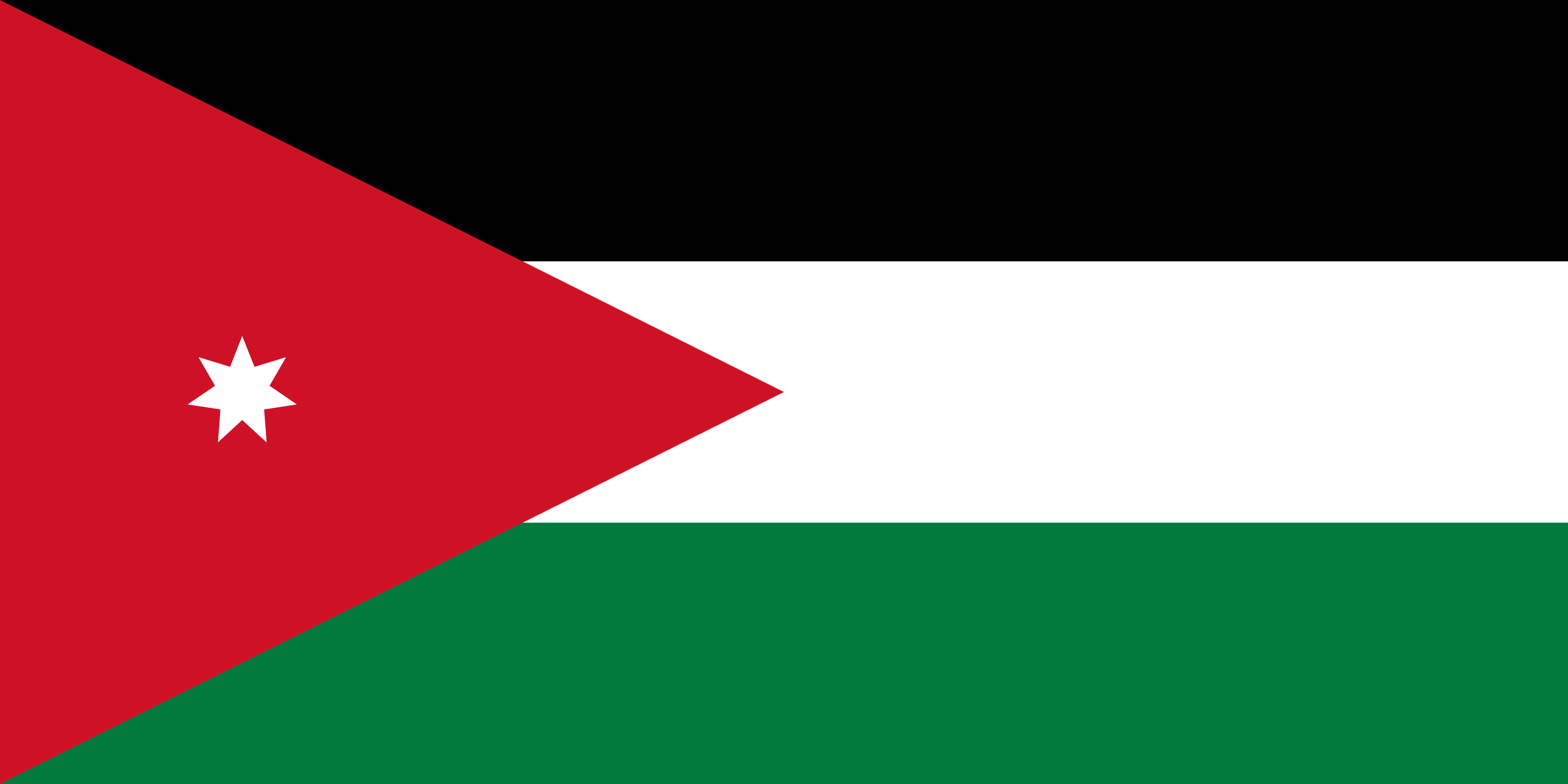
Play as · Cold War 1947 · L2 · Hashemite Kingdom
Transjordan - 1947
Transjordan in 1947 is a newly independent kingdom with one unusually effective instrument and almost no margin for using it badly. The mandate ended and Emir Abdullah became king in May 1946, but the Anglo-Transjordanian treaty preserved British financial support, military cooperation, and strategic facilities. The Arab Legion, commanded by the British officer John Bagot Glubb and funded heavily from London, is small, disciplined, and better trained than many larger Arab forces. The civilian economy is poor, lightly industrialized, and dependent on external subsidy, transit, agriculture, and the limited trade that crosses a mostly desert territory. Abdullah’s political ambitions are larger. He speaks of a Greater Syria, seeks influence west of the Jordan River, and watches the Palestine mandate approach partition and war. Neighboring rulers hear those plans differently: some see a practical Hashemite answer to the vacuum in Palestine, others see annexation wrapped in Arab unity, and Ibn Saud sees an old dynastic rival expanding toward the Hejaz. Your strategic identity is concentrated capability. NationFall gives you a credible army, central geography, and a king willing to bargain, but every deployment exposes the narrow tax base and every territorial project risks the British relationship that pays for the force carrying it out.
Starting position
The board begins with independence still under negotiation in practice. London can supply weapons, officers, money, and diplomatic access. It also expects consultation and wants facilities that help defend the Middle East. Washington has not yet recognized Transjordan and ties that question to the unsettled Palestine issue and United Nations politics. Abdullah needs external legitimacy but cannot simply renounce Britain without endangering the Arab Legion and budget. Treat the relationship as a contract you can reshape. Preserve the training and subsidy that make your L2 force credible, ask for clearer sovereignty and command terms, and build local officers and revenue so each later revision is less dangerous. The army should remain compact and supplied. A rapid expansion creates units on paper while draining the treasury and diluting the professional core. On the economic side, protect Amman’s administrative network, the roads toward Jerusalem and Damascus, and Aqaba’s narrow outlet to the sea. Transjordan lacks a Mediterranean port, making access through Palestine and neighboring states strategically important. Trade agreements and transit rights can do more for long-run strength than seizing a corridor you cannot politically hold. If optional map fog is enabled, invest in intelligence around the western frontier, Syrian politics, and rival Arab courts: Abdullah’s plans, British red lines, and local Palestinian expectations do not align automatically, even when public statements use the same language of Arab unity.
What turns the campaign
The decisive event is the United Nations debate over Palestine and the security vacuum that follows British withdrawal. Abdullah wants to prevent a hostile or chaotic order on his western border and is prepared to move the Arab Legion into Arab areas. The Arab League wants a common response but its members disagree over command, territory, and whether the Hashemite king should gain from the crisis. In NationFall, coalition diplomacy should precede mobilization. Establish objectives with Iraq, Egypt, Syria, and Saudi Arabia; arrange supply and recognition; and decide whether your goal is border defense, protection of Arab population centers, a negotiated union, or broad war. If you leave those aims ambiguous, allies can treat every successful move as a threat and every setback as your private failure. Proxy contacts and intelligence offer a quieter route. Local agreements can secure roads and towns without forcing immediate escalation, but covert sponsorship risks attribution and can destroy the legitimacy you need after the mandate ends. The Arab Legion’s quality encourages boldness, yet its British connection can constrain operations and expose Abdullah to charges that he is implementing London’s design. Use military force where disciplined units create bargaining power, then stop before limited success becomes an occupation you cannot finance. Meanwhile, keep the Greater Syria idea from making enemies on every side. It may open talks with Syrian factions and strengthen the king’s regional profile, but only voluntary, staged cooperation can avoid triggering a balancing coalition against the kingdom.
Signature challenge
A small army carrying a large design
Transjordan’s signature play is matching ambition to sustainment. You have a ruler with a regional project, a professional force capable of moving it forward, and a treasury dependent on the patron whose policy may set its limits. NationFall turns that triangle into decisions across diplomacy, trade, military readiness, and domestic stability. Keep the Legion elite by funding supply and command quality instead of chasing raw unit count. Widen the economy through transit, Aqaba, and negotiated access so British subsidy becomes support rather than life support. Build Arab diplomatic consent around specific actions rather than assuming shared opposition to partition creates shared war aims. Most of all, give any western advance a political destination. A town occupied without an accepted administration becomes a drain; a protected corridor tied to a workable settlement becomes leverage. The campaign can produce a secure kingdom with defensible borders, an enlarged economic base, and regional influence earned by reliable action. It can also produce a client force stranded between a British command relationship, hostile allies, and territory that resists annexation. Independence arrived in 1946 as a legal fact. The 1947 game is about making it material before the Palestine crisis tests every weakness at once.
Try the Transjordan campaign
Free demo. Pick Cold War. Give the Arab Legion a political objective the new kingdom can sustain.
Play Free Demo as TransjordanRegional: Kingdom of Iraq · Saudi Arabia · Mandatory Palestine · Turkey - see the Cold War 1947 scenario hub
Transjordan across the eras