
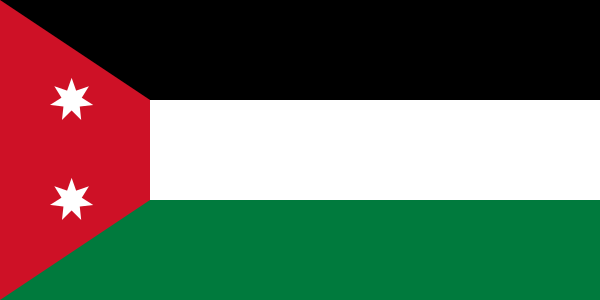
Play as · Cold War 1947 · L2 · Hashemite Monarchy
Kingdom of Iraq - 1947
The Kingdom of Iraq in 1947 is formally independent, strategically valuable, and politically much less secure than its institutions suggest. King Faisal II is twelve years old, so the regent Abd al-Ilah exercises royal authority while veteran politicians such as Nuri al-Said shape governments and foreign policy. Britain regards Iraq as a central anchor of Middle Eastern security. The 1930 alliance treaty grants British military facilities and emergency rights at Habbaniya and Shaibah, while Iraqi officers and urban nationalists increasingly treat those rights as proof that independence is incomplete. The oil fields around Kirkuk and pipelines toward the Mediterranean give the country resources and bargaining power. Basra opens onto the Gulf, and the Tigris-Euphrates system offers enormous development potential. These assets cross communities whose relationship with the Hashemite state remains contested: Sunni Arab elites dominate a population with a Shi’a majority, Kurdish regions resist easy central control, and workers and students are more politically organized than the palace prefers. Your strategic identity is the indispensable but brittle ally. NationFall gives you enough weight to matter in regional coalitions, enough oil to finance a stronger state, and enough internal pressure that every foreign bargain can become a stability crisis.
Starting position
The opening problem is the Anglo-Iraqi relationship. London wants reliable access to the air bases and believes the regent, government, and army leadership provide a steadier partner than any other major Arab state. Baghdad wants arms, advisers, and security while facing public demands to revise the treaty and remove the symbols of foreign privilege. Secret negotiations toward a new arrangement are already becoming the central political test; their eventual Portsmouth settlement in January 1948 will trigger the al-Wathbah protests and collapse under street pressure, but that failure is not inevitable in your campaign. Use diplomacy to separate what Iraq needs from what Britain assumes it can retain. Time-limited emergency access, joint command arrangements, equipment deliveries, and economic support can be negotiated as distinct terms. Bundling them into one opaque alliance invites opposition to reject the entire package. Your economic foundation is stronger than the treasury alone shows. Oil exports fund the state, and irrigation and flood-control schemes could expand food output and employment, but pipelines, pumping sites, railways, and ports are exposed to sabotage and blockade. Protect those nodes and spend early research on economy, defense, and intelligence rather than prestige units. The L2 tier rewards a force that can secure territory and influence neighbors, not one that can defeat a great power. Preserve enough readiness to discourage coups and frontier opportunism without making the officer corps the only institution capable of changing governments.
What turns the campaign
Palestine turns domestic pressure into an external crisis. Iraq is a founding member of the Arab League and cannot ignore the United Nations partition debate, yet any expeditionary commitment competes with internal security, Kurdish deployments, and the protection of oil routes. Sending forces can strengthen Arab legitimacy and the monarchy’s regional standing; sending an army without logistics can expose military weakness and sharpen the grievances of every community paying the bill. Coordinate with Transjordan, Syria, Egypt, and Saudi Arabia, but remember that their goals differ. King Abdullah has territorial ambitions in Arab Palestine and a Greater Syria vision. Saudi Arabia distrusts Hashemite expansion. Britain wants stability and access while its Palestine mandate unravels. The Soviet Union can exploit anti-imperial politics without being a natural patron for the palace, and communist organization among workers creates a domestic intelligence challenge. NationFall’s proxy and espionage systems are therefore central. Track sponsorship and ideology pressure, address economic grievances before treating every strike as foreign subversion, and avoid repression that gives underground movements the legitimacy they lack. Trade routes give you another lever: oil customers need uninterrupted flow, and neighboring landlocked states value transit. Use those dependencies to finance development and widen diplomatic choice. A successful mid-game transforms British facilities from inherited liabilities into negotiated assets, makes oil revenue visible in irrigation and urban services, and commits to regional war only on terms the state can sustain.
Signature challenge
Make the alliance survive the street
Iraq’s signature challenge is that a strategically rational agreement can still be politically impossible. British planners see bases, oil, communications, and a friendly regency. Iraqi citizens see decades of intervention and ask why a sovereign kingdom must preserve foreign rights. Both readings shape the board. NationFall’s stability, diplomacy, and intelligence systems make public legitimacy part of alliance management: a treaty that improves military power while collapsing the government is not a gain. Negotiate in visible pieces, attach foreign assistance to Iraqi projects, and build parliamentary and municipal support before announcing security commitments. At the same time, do not answer nationalist pressure with a theatrical break that leaves airfields unsupported, weapons unavailable, and the northern and southern corridors exposed. The strongest path converts dependence into reciprocity. Oil revenue builds flood control, transport, education, and an army answerable to civil authority; access agreements carry clear Iraqi benefits and limits; regional diplomacy reduces the need for permanent outside protection. The weakest path hoards power at the palace, treats development as patronage, and discovers that a child king’s constitutional order cannot absorb the first mass protest. In 1947 the monarchy still has room to reform the bargain. Your campaign decides whether it uses that room or merely postpones the revolution waiting beyond it.
Try the Kingdom of Iraq campaign
Free demo. Pick Cold War. Renegotiate the alliance before oil, bases, and the street pull the kingdom apart.
Play Free Demo as Kingdom of IraqRegional: Iran · Transjordan · Saudi Arabia · Turkey - see the Cold War 1947 scenario hub
Kingdom of Iraq across the eras