
Play as · WW1 1914 · L2 · Regional Rivalries
Nejd & Hejaz - 1914
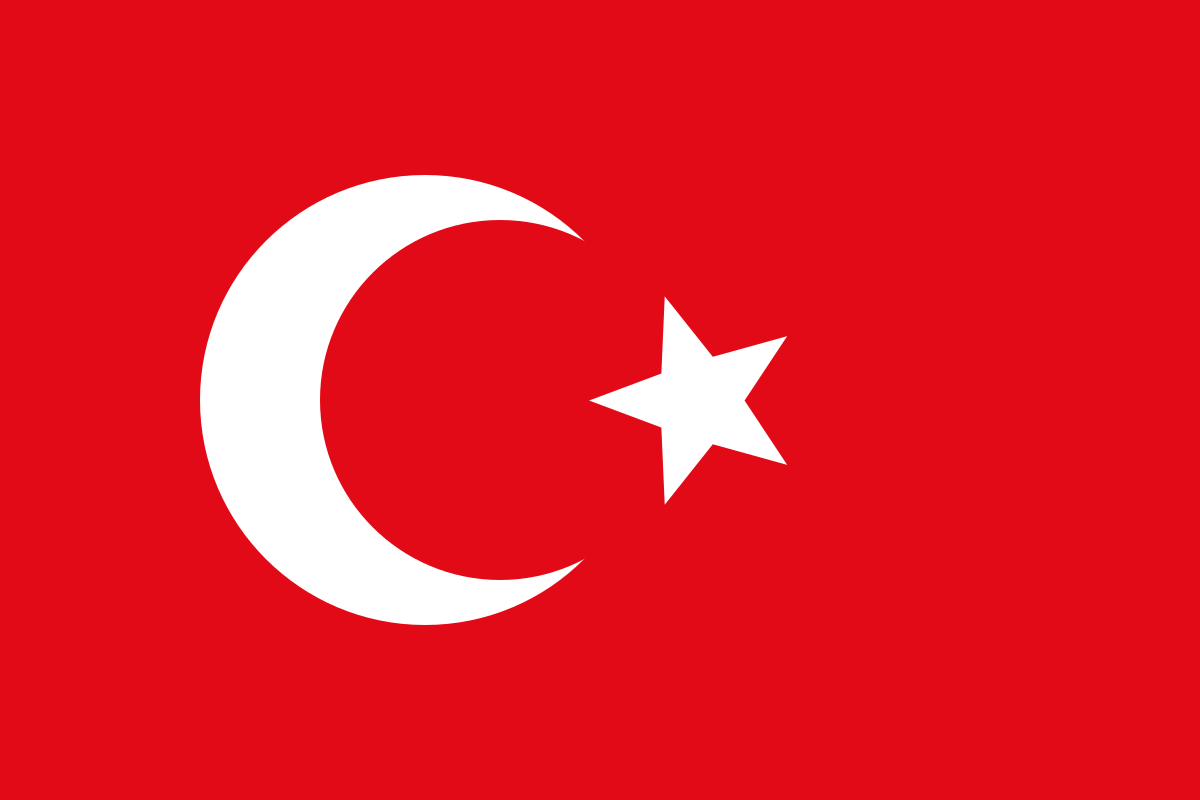
There is no Saudi Arabia in 1914. The name belongs to a future kingdom, and treating the peninsula as a single state would hide the strategic fact that defines this opening: Arabia is divided among rival rulers, local communities, and outside empires. Abdulaziz Ibn Saud is Emir of Nejd and Hasa, with his court at Riyadh and a growing following in the interior. To the west, the Hejaz, including the pilgrimage cities of Mecca and Medina, remains inside the Ottoman Empire under the Sharif of Mecca. Ibn Rashid’s emirate at Ha'il is another serious rival north of Nejd. The coast is tied to British power through a patchwork of treaties, ports, and political agents. The Ottoman flag on this page identifies the Hejaz, not Ibn Saud’s Nejd; it is a reminder that the two centres were separate in 1914. The strategic identity is a contested region whose future is not settled by a national capital, but by who can build durable authority while imperial war changes the balance around it.
Starting position
The opening position is defined by distance and fragmentation. Riyadh is an inland political centre connected to allies and rivals by caravan routes, tribal loyalties, and seasonal movement rather than a national bureaucracy. Ibn Saud’s recovery of Riyadh in 1902 and his expansion into Hasa in 1913 have made him a force, but not master of Arabia. The Ottoman government has sought accommodation with him while retaining its own interests and garrisons on the eastern and western edges of the peninsula. The Hejaz matters beyond its size because the Hajj brings revenue, prestige, and a direct claim to Islamic leadership; its rail link to Damascus is also an Ottoman strategic artery. Britain’s naval strength in the Gulf gives it influence over commerce and coastal rulers, yet it does not make the interior simple to command. Food, water, transport, and personal allegiance are the real limits on every ambition. A ruler can win a town and still fail to secure the routes that feed it or the people who recognize his judgement.
What turns the campaign
The European war enters this landscape as pressure before it becomes a front. Ottoman entry will force local rulers to decide whether cooperation, neutrality, or opportunism offers the best chance of survival. Ibn Saud cannot assume that British contact is an alliance: the formal treaty with Britain comes only in December 1915, after the 1914 opening. Nor can he assume Ottoman authority will collapse on schedule. The Hejaz is not yet the wartime Kingdom of Hejaz, and there is no Arab Revolt in 1914; that revolt begins in 1916. These dates matter because they leave the player facing uncertainty rather than a finished nationalist narrative. The immediate questions are who can keep rivals from using the war to settle old scores, how coastal influence affects inland authority, and whether outside support can be accepted without surrendering room to manoeuvre. The rewards are political as much as territorial: recognition, secure communications, and the ability to turn a regional following into institutions that survive a crisis.
Signature challenge
A peninsula before the kingdom
The central challenge is to resist reading later Saudi unity backwards into 1914. The region’s strength lies in its routes, religious importance, and capable local leadership; its weakness lies in the absence of one government able to direct all three. Ibn Saud must contend with the Rashidis, Ottoman interests, and the independent standing of the Hejaz, while rulers on the Gulf make their own calculations under British protection. A successful historical strategy is therefore patient state-building: secure trusted ties before demanding wider obedience, protect the economic and pilgrimage arteries that give authority practical meaning, and treat foreign commitments as tools with costs. The war may create openings, but it also magnifies every local dispute and makes a distant sponsor’s priorities unpredictable. By beginning with Nejd and Hejaz as separate realities, the guide keeps the outcome open. Arabia’s later unification was the result of conflict, diplomacy, and changing imperial circumstances, not the starting condition of August 1914.
Try the Nejd & Hejaz campaign
Free demo. Pick WW1. Pick Nejd & Hejaz. Build authority in a peninsula that has not yet become one kingdom.
Play Free Demo as Nejd & HejazRegional: the Ottoman Empire · Iran · United Kingdom - see the WW1 1914 scenario hub
Nejd & Hejaz across the eras
Saudi Arabia (WW2) · Saudi Arabia (Cold War) · Saudi Arabia (WW3)