
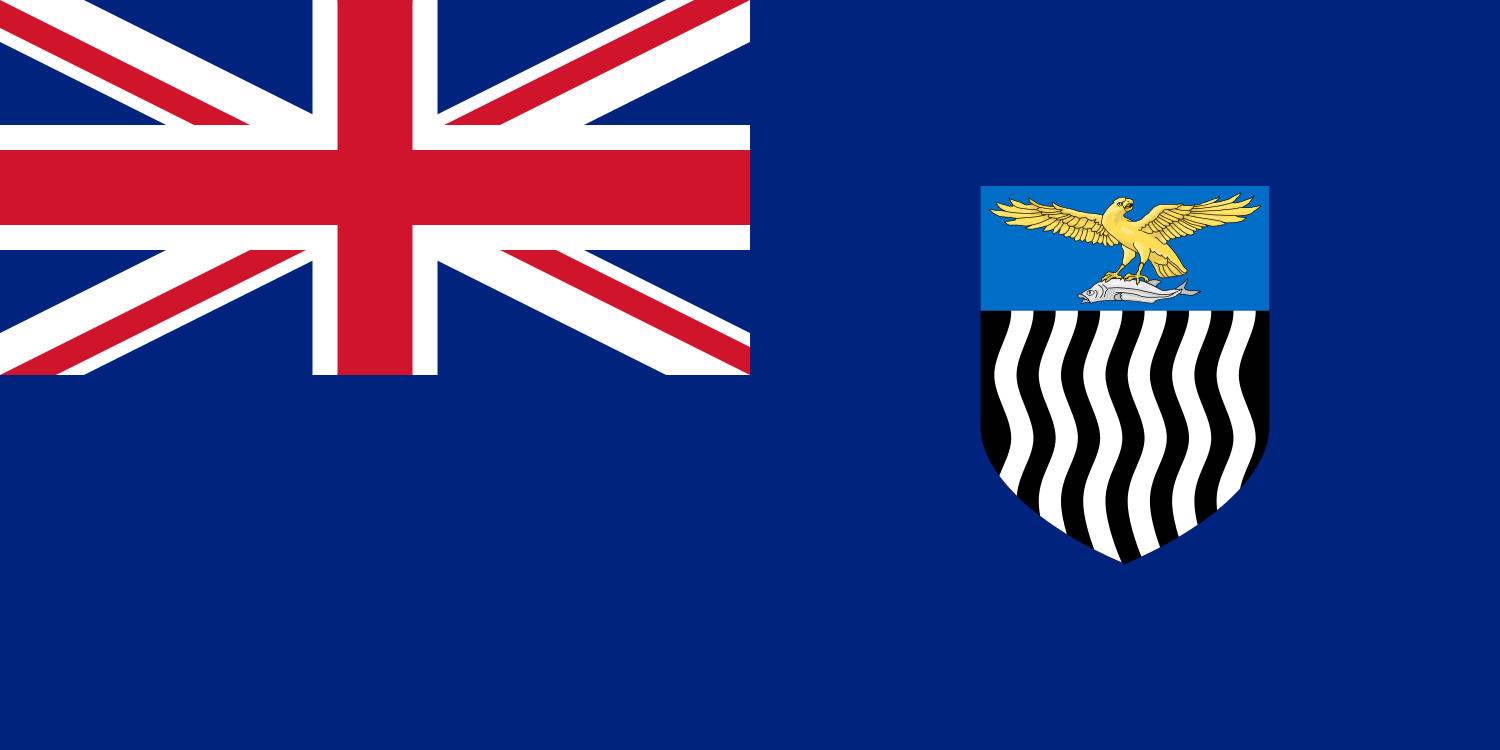
Play as · Cold War 1947 · L1 · British protectorate
Northern Rhodesia - 1947
Northern Rhodesia in 1947 is a British protectorate transformed by copper. The mines at Nkana, Mufulira, Nchanga, and Roan Antelope made the Copperbelt an industrial zone during the 1930s; wartime demand then made its metal indispensable and expanded towns, rail traffic, and an African wage-earning class. London formally governs through the Colonial Office, but mining companies, white settler representatives, chiefs, and organized labour all shape what the state can do. Europeans defend a colour bar reserving skilled work and political privilege. African mineworkers have already demonstrated collective power in the strikes of 1935 and 1940, and wartime service has weakened claims that advancement can wait indefinitely. The campaign begins at an unstable peak: copper gives the protectorate extraordinary leverage and revenue, while unequal wages, urban housing, land policy, and franchise rules ensure that economic importance converts into political pressure.
Starting position
The railway ties the Copperbelt south through Southern Rhodesia and eastward to other regional routes, making exports vulnerable to decisions beyond the protectorate. Mines require imported machinery, dependable power, compound housing, and migrant labour drawn from rural Northern Rhodesia and neighbouring territories. African workers increasingly settle with families rather than behaving as temporary units in company plans. Municipal services and political representation lag behind that urban reality. The African Mineworkers' Union is emerging as a durable institution; welfare societies and educated leaders connect workplace demands to constitutional change. Rural areas still supply food, taxes, and labour under indirect rule and receive far less investment. The Northern Rhodesia Regiment returns from wartime service with veterans whose experience broadens expectations. Administratively, you possess revenue potential but limited trained personnel. Spending on production alone deepens the gap between the modern mine economy and the communities expected to support it.
What turns the campaign
Your first turn concerns African advancement. Opening skilled grades and bargaining seriously can stabilize production and build a shared industrial order, but European unions and settlers resist erosion of reserved jobs. Repression may keep a shift running and make the next stoppage more political. The second turn is federation. Southern Rhodesian leaders want a Central African union that joins their self-governing settler state to Northern Rhodesia's copper and Nyasaland's labour. Supporters promise capital and efficient services; African opponents see minority rule acquiring the Copperbelt. Britain can impose safeguards on paper, delay the scheme, or acknowledge that consent must be substantive. Copper prices amplify every choice: boom revenue finances schools and housing or entrenches company and settler power; a downturn exposes dependence. The Cold War offers officials language for discrediting militant unions, yet treating wage and franchise claims as communist manipulation can turn moderate nationalism against the state.
Signature challenge
Who owns the Copperbelt?
Northern Rhodesia's defining campaign asks whether copper belongs to shareholders. Follow the movement of one ton from shaft to railhead, through customs, and toward an overseas buyer: every stage identifies who can interrupt the economy and who receives its gains. Maintain alternative export planning and power reserves so constitutional disagreement does not become an immediate production emergency. The ownership question begins inside that chain. It asks whether copper belongs to shareholders, an imperial treasury, a regional settler federation, or the people whose labour and land sustain it. The answer cannot remain accounting. Monitor accidents, family housing, apprenticeships, African promotion into skilled grades, and royalties reaching services. These indicators turn ownership into choices a cabinet, company, and union must defend. Record output beside preventable compound deaths is instability disguised as success. Job classification determines racial hierarchy; housing determines whether towns become communities; rail policy decides which neighbours control exports; royalty arrangements shape whether mineral wealth funds public capacity. NationFall gives you a narrow reform window before federation and mass nationalism harden positions. Recognize African unions, fund technical education, widen legislative voice, and negotiate mineral revenue transparently, and the protectorate can build institutions fit for eventual self-rule. Side with settler amalgamation and the colour bar, and short-term coordination may come at the price of a legitimacy crisis spanning all three central African territories. The cleared 1939 ensign still flies at the opening, but it cannot answer a 1947 political economy. Your victory is continuous copper production joined to genuine advancement and a constitutional path accepted in the Copperbelt as well as London and Salisbury.
Try the Northern Rhodesia campaign
Free demo. Pick Cold War. Pick Northern Rhodesia. Decide who owns the Copperbelt.
Play Free Demo as Northern RhodesiaRegional: Southern Rhodesia · Belgian Congo · Tanganyika
Northern Rhodesia across the eras