

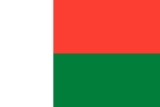
Play as · WW3 2026 · L1 · Indian Ocean Island Continent
Madagascar - 2026
Madagascar is the world's fourth-largest island and home to about 30 million people whose Malagasy language and culture reflect both Austronesian and African origins. It enters 2026 under a military-led transition after Colonel Michael Randrianirina and CAPSAT forces displaced President Andry Rajoelina during the October 2025 crisis. The African Union suspended Madagascar and sent high-level engagement after condemning the unconstitutional change. That start state replaces the former description of Rajoelina's second term. The island still holds major vanilla, nickel and mineral resources and a strategic Mozambique Channel position, but constitutional legitimacy is now the first constraint on using them. A transitional authority has to restore civilian politics while keeping ministries, ports and cyclone response functioning across a territory whose size has always strained central administration.
Starting position
The People's Armed Forces of Madagascar are about 13,000 active personnel, oriented toward border defense (substantial maritime EEZ enforcement responsibility), internal security, and limited regional-cooperation deployments. Equipment is light. The vanilla industry - Madagascar produces about 80% of global supply - has been the principal export-revenue driver alongside nickel (the Ambatovy mine operated by Sumitomo and Korea Resources Corporation), cobalt (small but expanding), and the rare-earth elements (the Tantalus Rare Earths and other discoveries that have positioned Madagascar in the global energy-transition critical-minerals conversation). The post-French diplomatic relationship has been progressively diversified including substantial Indian, Chinese, Japanese, and EU engagement - the Mozambique Channel position has been strategically valuable to multiple maritime powers.
What turns the campaign
What the transition under Randrianirina needs is a published civilian timetable, an inclusive authority able to organise credible elections, and restoration of relations with the African Union without rewarding indefinite military rule. Security forces must return to defined constitutional command and investigate abuses during the 2025 upheaval. Vanilla, nickel and critical-mineral exports still need stable contracts and foreign exchange, while coastal communities need cyclone preparation and fisheries protection. India, China, France, Japan and the European Union will all test whether contracts signed during transition are lawful and durable. Madagascar fears factional conflict inside the security forces, elite capture of a rushed election, sanctions, another commodity shock and a cyclone arriving while the state concentrates on Antananarivo. Freeze long concessions until civilian review, publish the transition budget and let courts hear challenges to detention. Invite AU technical support for the electoral register under Malagasy civilian leadership. These measures distinguish a bounded emergency authority from another military government that writes its own permanent rules.
Signature challenge
The Indian Ocean island continent
Madagascar's central strategic problem is converting its Austronesian-African identity and island scale into durable outcomes from vanilla, nickel, critical minerals and the Mozambique Channel, within a political system still shaped by Rajoelina's 2009 seizure of power and later electoral returns. Mauritius and Seychelles demonstrate that Indian Ocean location can support stronger institutions, but Madagascar's size and poverty make the comparison incomplete. Stabilise vanilla through traceable contracts, producer cooperatives and theft prevention that does not criminalise whole villages. Require Ambatovy and future mineral projects to publish royalties, tailings risk and local procurement. Maritime strategy begins with patrol maintenance, fisheries enforcement and cyclone rescue rather than prestige ships. Protect roads to isolated districts and pre-position relief before the next storm. The disputed 2023 election makes independent courts, media access and credible voter rolls central to the next cycle. Bring opposition-run municipalities into development decisions instead of withholding funds. NationFall's island continent succeeds when national revenue reaches particular roads, schools and coastal communities, and when foreign partners compete through transparent projects rather than private political sponsorship. Resource potential without trusted administration will merely finance the next crisis. Vanilla farmers need warehouse receipts and reliable export statistics before the next price swing. Mining districts need independent water testing and a share of royalties controlled through audited communes. Antananarivo should publish transfers so remote regions can distinguish slow delivery from political exclusion. Cyclone planning must pre-contract coastal shipping and repair crews before roads wash out. Protecting forests also requires livelihoods and enforceable concession boundaries, not raids on households that lack alternatives. These are separate administrative tasks, each grounded in a particular Malagasy economy. Together they determine whether the state can turn a famous commodity and strategic map into resilience that people experience between elections.
Try the Madagascar campaign
Free demo. Pick WW3. Pick Madagascar. Indian Ocean island continent. Vanilla. Rare-earths. Mozambique Channel.
Play Free Demo as MadagascarRegional: Mauritius · Mozambique · Comoros
Madagascar across the eras
Madagascar (WW1) · Madagascar (WW2) · French Madagascar (Cold War)