
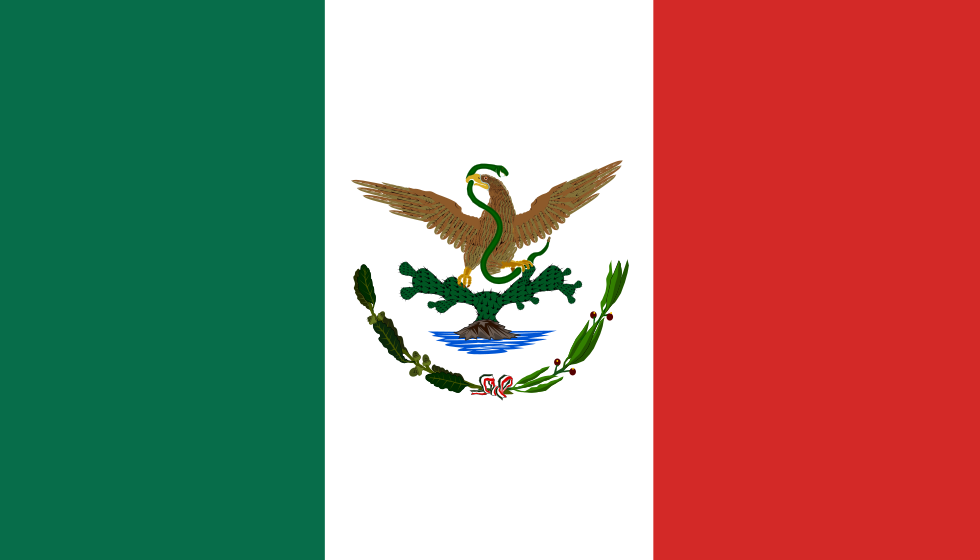
Play as · WW1 1914 · L2 · Revolutionary Republic
Mexico - 1914
At the 1914 start, Mexico must be played through the institutions and assumptions that leaders possessed before total war revealed its scale. Victoriano Huerta’s fall, the Constitutionalist advance, the Convention split, and American occupation of Veracruz made 1914 a civil-war start, not a settled national campaign. Mexico in 1914 is not a unitary neutral choosing between European alliances. Huerta’s dictatorship collapses after the US occupation of Veracruz and Constitutionalist victories; Carranza, Villa, Zapata, and regional commanders then contest the revolution’s direction. Foreign policy begins with sovereignty against American intervention and control of customs, railways, ports, oil districts, and recognition. Britain, Germany, and the United States protect investments while assessing factions. Do not promise a European patron concessions it cannot enforce against Washington. Diplomatic success means recognition on terms that preserve revolutionary authority, evacuation of Veracruz, and enough control to prevent border incidents from dictating national strategy. The European conflict gives Carranza breathing room only if rival factions cannot trade recognition for arms. Establish one foreign-office channel for concessions and debt talks; commanders who negotiate separately turn mines and oilfields into private diplomacy. Publication of agreements helps distinguish national policy from revolutionary fundraising.
Starting position
Federal formations were collapsing into regional revolutionary armies whose rail mobility, local recruitment, cavalry, and political allegiance mattered more than formal tables. Forces are political coalitions carried by rail. The old Federal Army disintegrates; Constitutionalists under Obregón, Villa’s División del Norte, and Zapata’s Liberation Army recruit, supply, and govern differently. Secure locomotives, junctions, telegraph offices, coal, horses, and ammunition before counting brigades. Veracruz, Tampico, Mexico City, Torreón, Chihuahua, and the routes through the Bajío are campaign systems rather than isolated objectives. Artillery and disciplined infantry can defeat cavalry when supplied, but occupying hostile countryside drains every formation. Keep a reliable reserve tied to a political program; a battlefield victory that hands local government to rivals merely moves the civil war elsewhere. Rail repair gangs need armed protection, spare rolling stock, and authority to prioritize food as well as ammunition. Destroying track can win a retreat and starve the next city. Reward commanders for delivering functioning junctions, not merely occupying them, and keep workshops behind the shifting fronts.
What turns the campaign
Oil exports around Tampico, mining, haciendas, and customs provide revenue, but warfare interrupts production and lets local generals collect independently. Issue currency only with a tax and redemption plan, protect foreign workers without surrendering jurisdiction, and keep food moving into cities. American arms access can decide campaigns, so border policy and recognition are logistical weapons. European war may divert foreign attention and create demand for petroleum, yet it also invites German schemes and US suspicion. The player should resist becoming a proxy: sell under enforceable rules, expose covert offers, and use competing foreign interests to recover fiscal control rather than to fund one more autonomous army. Tampico oil production sits near forces and foreign warships with different loyalties. Declare a neutral export and tax regime that applies regardless of company nationality, then enforce it through customs rather than arbitrary seizures. Predictable royalties strengthen sovereignty more effectively than confiscation that triggers intervention.
Signature challenge
Power, geography, and consent
The distinctive challenge for Mexico is the gap between formal sovereignty and usable power. Mexico’s signature challenge is building a state while fighting for it. Carranza can defeat Huerta and still lose authority to the Convention; Villa can dominate the north and still lack ports and stable finance; Zapata can command local legitimacy without a national supply system. Choose constitutional aims before choosing offensives, and pair every captured railway city with courts, food administration, and revenue officers. The United States can blockade, occupy, recognize, or arm, so deny it easy pretexts while preparing the border. Success is not entry into the European war. It is a government able to enforce sovereignty, absorb or defeat rival armies, and turn oil and customs into institutions rather than patronage. Constitutional design is operational planning: land reform, municipal authority, labour rights, and civilian control determine which villagers provide intelligence and recruits. A faction that postpones every settlement until victory will keep generating enemies. Convert battlefield coalitions into rules before personal armies harden into regional states.
Try the Mexico campaign
Free demo. Pick WW1 1914. Pick Mexico. Build influence that the era can sustain.
Play Free Demo as MexicoScenario: WW1 1914
Mexico across the eras