
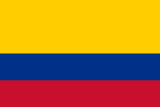
Play as · WW1 1914 · L1 · Recovering Republic
Colombia - 1914
At the 1914 start, Colombia must be played through the institutions and assumptions that leaders possessed before total war revealed its scale. Colombia was recovering from the Thousand Days’ War and Panama’s separation while the Thomson-Urrutia settlement reopened a painful dispute with Washington. José Vicente Concha takes office in August 1914 with Colombia still marked by the Thousand Days’ War and Panama’s 1903 separation. The Thomson-Urrutia treaty, signed in April, offers US compensation and an expression of regret but faces ratification controversy in both countries. Neutrality should protect the fragile reconciliation without accepting Washington’s interpretation of the past. Keep relations with Venezuela, Ecuador, Peru, and Caribbean powers calm while European commerce contracts. Bogotá has little reason to join a coalition; its diplomatic leverage lies in canal proximity, Caribbean ports, and the credibility of a republic rebuilding fiscal and constitutional order. The Concha administration should map where departmental authority depends on a single cable, river steamer, or local notable. Redundant communications and regular treasury transfers reduce the chance that a foreign rumour or delayed order becomes a provincial crisis. State presence begins with schedules that officials can trust.
Starting position
Mountain barriers, weak roads, regional garrisons, river routes, and limited state revenue made internal cohesion and border security the practical military agenda. The army is small, regionally deployed, and better suited to border posts and internal order than expeditionary warfare. Three Andean cordilleras, the Magdalena River, tropical lowlands, and sparse roads make movement a campaign in itself. Secure Bogotá’s links to the Magdalena, Cartagena and Barranquilla, Buenaventura on the Pacific, and telegraph connections to departmental capitals. River craft, pack transport, engineers, and dependable local commanders matter more than heavy formations. Avoid simultaneous frontier demonstrations: concentrating against one neighbour can leave another region politically exposed. Demobilized habits from civil war make partisan recruitment a greater danger than foreign invasion. Magdalena navigation links Bogotá’s plateau to Caribbean trade, so protect docks, fuel, pilots, and the rail connections around the river rather than concentrating every soldier in the capital. Buenaventura requires a separate Pacific supply plan because moving forces between coasts is slow and expensive.
What turns the campaign
Coffee is expanding as the chief export, but customs, foreign credit, river transport, and ocean freight remain vulnerable. War can reduce imports and shipping before Allied demand recovers; stabilize currency and prioritize tools, textiles, and railway material that domestic producers cannot replace. The canal redirects hemispheric trade near Colombia without returning sovereignty over Panama. Use proximity to seek fair shipping and communications agreements, not military adventures. Revenue should improve river navigation and roads that serve civilian integration as well as mobilization. If Bogotá finances patronage or arms through uncontrolled notes, regional leaders may regain the autonomy the postwar state has struggled to contain. Ratification of Thomson-Urrutia should be treated as a strategic bargain, not simply compensation. Secure terms that normalize commerce and acknowledge Colombian dignity without implying acceptance of intervention. Until Washington acts, avoid budgeting expected funds or allowing rival parties to distribute them in advance.
Signature challenge
Power, geography, and consent
The distinctive challenge for Colombia is the gap between formal sovereignty and usable power. Colombia’s signature challenge is making national cohesion usable across severe geography. A treaty payment or coffee boom cannot compensate for orders that take weeks to reach a frontier. Build a layered network from capital to river, river to port, and departmental government to reliable garrison. Keep the Panama grievance in diplomacy; threatening recovery invites US intervention and alarms Latin American neighbours. The best campaign uses neutrality to complete reconstruction, professionalize a compact force, and turn export revenue into communications. Success means borders are monitored, elections remain civilian, and canal traffic increases bargaining weight. Failure repeats the previous decade: external humiliation feeding factional politics until the state spends more suppressing Colombians than defending Colombia. Coffee smallholders can broaden the export base beyond a few customs interests, but roads, credit, and warehousing decide whether that promise reaches the treasury. Direct scarce public works toward routes that integrate departments and mobilization, not projects chosen only for a foreign concession’s enclave.
Try the Colombia campaign
Free demo. Pick WW1 1914. Pick Colombia. Build influence that the era can sustain.
Play Free Demo as ColombiaScenario: WW1 1914
Colombia across the eras