
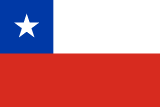
Play as · WW1 1914 · L2 · Pacific Republic
Chile - 1914
At the 1914 start, Chile must be played through the institutions and assumptions that leaders possessed before total war revealed its scale. Parliamentary politics, nitrate revenue, British trade, and rivalry left from the War of the Pacific defined Chile’s outward posture. Ramón Barros Luco’s parliamentary republic chooses neutrality while its parties, press, immigrant communities, and trading houses debate the European camps. Chile’s immediate concerns are Peru and Bolivia, the nitrate north, the Straits of Magellan, and relations with Argentina, not trenches in France. Use the ABC consultations to reduce the chance that European distraction reopens a South American arms race. Britain is the principal maritime and commercial influence; German military culture retains prestige in the army. Apply neutrality rules at ports and wireless stations so neither side can claim Chilean territory supports raiders or intelligence operations. The foreign ministry should monitor German commerce raiders and British pursuit near Pacific ports, requiring belligerent ships to obey time, coal, and repair limits. A neutral harbour that quietly renews a raider will invite British retaliation against nitrate shipping; excessive Allied access will provoke the opposite charge.
Starting position
German-trained conscripts, modern artillery, a long logistical spine, and a navy built around the battleship race offered regional weight at high fiscal cost. German-trained doctrine gives the conscript army professional ambition, but Chile’s extraordinary length separates units and supply depots. Protect Santiago and Valparaíso, the nitrate ports of Iquique and Antofagasta, the central railway, southern coal, and the Magellan route. Mountain barriers deter neighbours while also slowing Chilean reinforcement. The navy, built through competition with Argentina, is the key instrument for coastal unity, yet the Almirante Latorre battleships are still completing in British yards and may be requisitioned. Preserve crews, coal stocks, repair capacity, and smaller patrol vessels rather than planning around capital ships that may not arrive. Chile’s nitrate zone is far from the central population belt and exposed from the sea. Combine naval patrol schedules with railway guards and reserve coal at several ports. An attacker need not occupy the Atacama if it can interrupt loading, destroy condensers, or frighten neutral shipping away.
What turns the campaign
Nitrate duties fund the state, making European demand both a windfall and a vulnerability. Synthetic nitrogen technology and interrupted shipping can rapidly change prices. Negotiate Allied purchases and freight while building reserves for a post-boom collapse; keep coal and imported machinery available to mines and railways. Workers in the nitrate oficinas face harsh company-town conditions, and inflation can convert export prosperity into strikes. Use inspection, wage mediation, and food transport before relying on troops. Neutrality also requires treating merchant losses and blacklists through law, since a naval protest Chile cannot enforce may damage access to the very markets financing defense. Use wartime nitrate receipts to complete projects that survive the commodity cycle: domestic explosives, rail maintenance, harbour cranes, naval repair, and worker housing. Buying more imported prestige equipment at peak prices repeats the vulnerability the war exposes and leaves the treasury stranded when synthetic nitrate expands.
Signature challenge
Power, geography, and consent
The distinctive challenge for Chile is the gap between formal sovereignty and usable power. Chile’s signature challenge is defending a maritime economic spine with a fleet and treasury tied to foreign suppliers. Nitrate wealth can buy readiness, but only if revenue is not assumed permanent and if British shipyards deliver. Coordinate ports as one system: warnings from Magallanes, fuel in the south, central repair, and northern export protection. Avoid opportunistic pressure on Peru or Bolivia that would isolate Chile diplomatically and dissipate forces across desert and mountains. A strong campaign turns wartime demand into rail, arsenals, and fiscal reserves while containing labour conflict. The strategic victory is to emerge with regional balance intact and less dependence on a single export, buyer, or undelivered battleship. Relations with Argentina should include notice of exercises and naval movements, while talks with Peru and Bolivia avoid reopening territorial settlements. A quiet frontier releases forces for coastal defense. Diplomatic reassurance is cheaper than maintaining mobilized divisions at both mountain passes and northern desert posts.
Try the Chile campaign
Free demo. Pick WW1 1914. Pick Chile. Build influence that the era can sustain.
Play Free Demo as ChileScenario: WW1 1914
Chile across the eras