
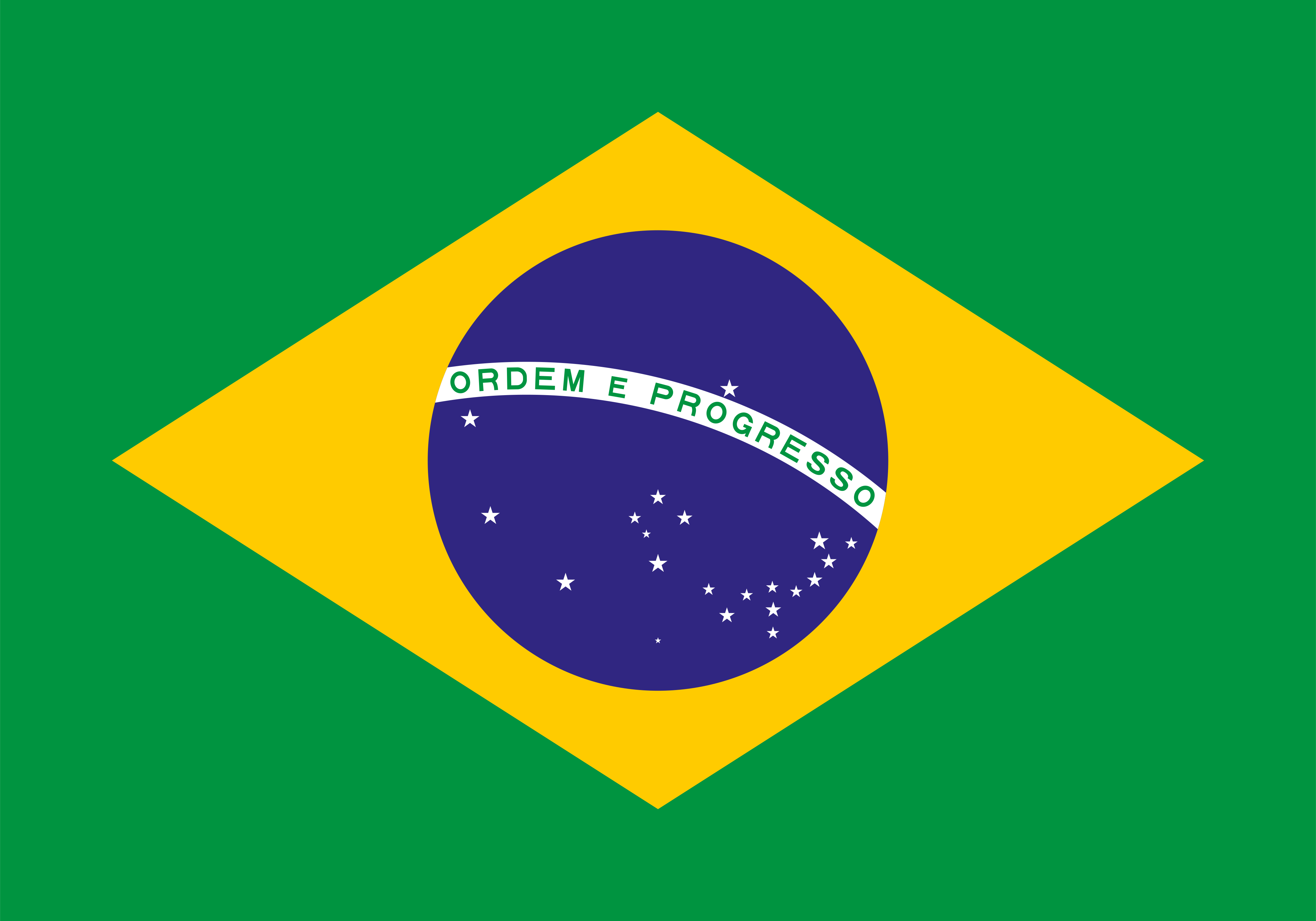
Play as · WW1 1914 · L2 · Coffee Republic
Brazil - 1914
At the 1914 start, Brazil must be played through the institutions and assumptions that leaders possessed before total war revealed its scale. Coffee oligarchies, the contested presidential succession, naval modernization, rubber and coffee exports, and the long Atlantic coast shaped every choice. Venceslau Brás and foreign minister Lauro Müller initially need neutrality because coffee, rubber, cocoa, and customs revenue depend on access to several markets. Germany is a commercial partner, Britain commands the sea routes, and the United States is increasingly important. Treat the ABC understanding with Argentina and Chile as a way to prevent a South Atlantic quarrel while Europe absorbs diplomatic attention. The sinking of Brazilian merchantmen may eventually make neutrality politically untenable, but in 1914 that outcome is not predetermined. Publish clear shipping rules, escort where practical, and make any break with Germany follow a documented attack rather than enthusiasm for a distant coalition. The presidency should distinguish German immigrant communities in the south from agents of Berlin; indiscriminate suspicion would weaken federal cohesion. Lauro Müller’s German ancestry makes transparent procedure especially useful. Neutral enforcement at Pernambuco and Rio must rest on ship conduct, cargo, and wireless use, not ethnic politics.
Starting position
Rio Branco diplomacy had settled borders while the navy rebuilt around Minas Geraes dreadnoughts; the army remained politically alert and regionally dispersed. The army is dispersed across a federal republic where state political machines and regional commanders matter. The Minas Geraes and São Paulo dreadnoughts look formidable, yet the 1910 Revolt of the Lash exposed discipline and personnel problems behind expensive hulls. Keep the fleet concentrated around Rio, Santos, and the approaches to the coffee-export system instead of chasing a European squadron. Railways point from producing regions to ports rather than forming a national strategic web. A reserve around the capital and São Paulo protects the government; Amazonian and southern detachments should gather information and deny raids without consuming the treasury in unsupported offensives. Brazil can prepare a small naval division for Atlantic patrol while training aviators and medical personnel whose skills remain valuable after the war. Correct the ammunition, maintenance, and discipline defects exposed by earlier naval unrest before seeking another capital ship; readiness aboard existing vessels yields more deterrence than procurement announcements.
What turns the campaign
The first economic shock is a collapse in ocean demand and credit for coffee, not an invasion. Negotiate shipping space and finance, purchase surplus coffee if revenue permits, and encourage industries that can replace interrupted imports. German submarines and Allied blacklists will later force harder decisions, so record cargoes and ownership before seizures become diplomatic crises. If Brazil joins the Allies, naval patrols and medical or aviation missions fit its capacity better than a mass army in France. The strategic return is a place in the peace settlement and a stronger South Atlantic voice; the danger is paying mobilization costs while export bottlenecks and influenza do more damage than enemy action. Coffee valorization is a security decision because collapsing prices remove customs revenue precisely when imported coal and machinery cost more. Coordinate São Paulo producers with federal finance, but demand storage and repayment rules so emergency purchase does not become a permanent transfer to plantation interests.
Signature challenge
Power, geography, and consent
The distinctive challenge for Brazil is the gap between formal sovereignty and usable power. Brazil’s signature problem is reconciling the prestige of its new navy with the fragility of an export state. A dreadnought cannot reopen the London money market or make coffee essential cargo. Use naval power to secure coastal communications, Recife, Bahia, Rio, and Santos, while diplomats turn merchant losses into claims and coalition leverage. Domestic politics also sets a ceiling: oligarchic bargains can sustain limited action but may fracture under conscription, inflation, or federal intrusion. The best Brazilian campaign enters no commitment without a shipping, finance, and demobilization plan. By war’s end, success means protected trade, professionalized services, and influence gained without letting European priorities hollow out the republic’s fiscal base. A later declaration of war should unlock concrete missions: patrol the South Atlantic, protect merchant traffic, and obtain training and representation from the Allies. Sending an improvised mass formation abroad would create disease, shipping, and command burdens. Match Brazil’s war aim to the instruments it can sustain.
Try the Brazil campaign
Free demo. Pick WW1 1914. Pick Brazil. Build influence that the era can sustain.
Play Free Demo as BrazilScenario: WW1 1914
Brazil across the eras