
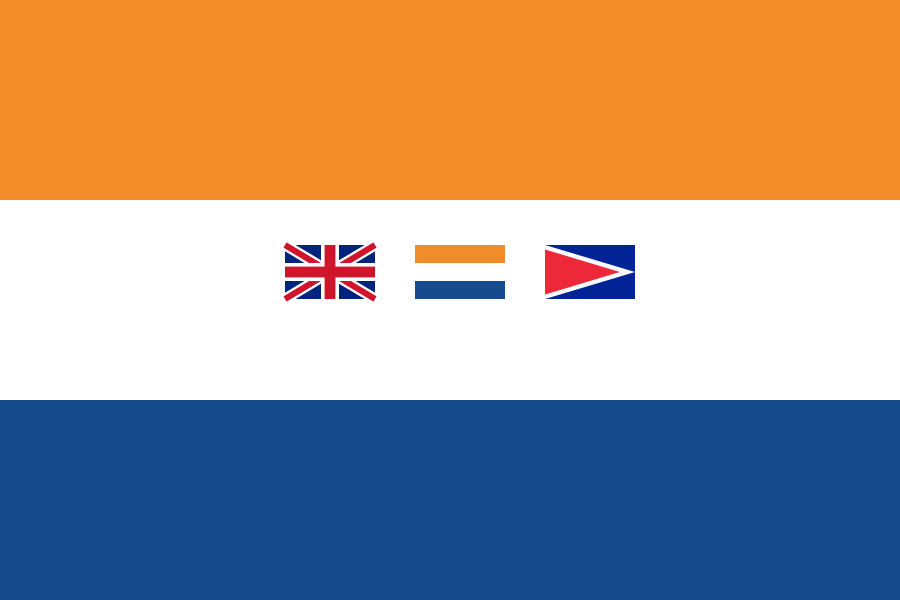
Play as · Cold War 1947 · L2 · Segregationist Regional Power
Union of South Africa - 1947
The Union of South Africa begins 1947 as a sovereign Commonwealth dominion with wartime industry, gold, ports, and experienced forces, yet its political system excludes the black majority and sharply restricts Indian and Coloured citizens. Prime Minister Jan Smuts carries international prestige from the war and United Nations Charter, while D. F. Malan’s National Party mobilises Afrikaner nationalism and demands a more systematic racial order. The 1948 election is approaching but its outcome is not settled. Gold earnings support imports and state capacity; mines depend on controlled migrant labour and low wages. The 1946 African mine workers’ strike was crushed, exposing the coercion beneath industrial strength. Decide whether recovery widens skills, housing, and political participation or fortifies segregation. A state claiming global leadership while denying rights at home invites diplomatic challenge and wastes most of its human capital. Police power can preserve production briefly, but cannot create the legitimacy or skilled workforce required for lasting regional influence.
Starting position
South African forces return with North and East African and Italian campaign experience, supported by railways, ports, aircraft facilities, and an expanding industrial base. Demobilisation should preserve mobile land cadres, maritime patrol, engineers, logistics, and aircrew while integrating veterans into civilian work. Cape sea routes, Durban, Simon’s Town, the Witwatersrand mines, and long land approaches create distinct priorities. Protect shipping and industrial nodes without designing an expeditionary force whose cost depends indefinitely on gold prices. Racial manpower policy is a strategic constraint: black servicemen contributed in noncombatant roles but return without equal recognition, while skilled posts remain reserved. Expanding exclusion narrows recruitment, damages morale, and makes internal repression consume units intended for defence. Professionalise police and require civilian accountability after the mine strike rather than militarising labour relations. South West Africa cannot be secured simply through annexation claims and garrisons; administration faces international review and the rights of its inhabitants. Military capability gains value when it supports lawful regional security instead of preserving a permanently mobilised racial hierarchy.
What turns the campaign
The decisive early turn is political and diplomatic at once. Smuts must answer National Party demands for apartheid before the 1948 electorate, under constituency rules that can reward rural seats even without a national popular majority. Reform urban residence, labour rights, and representation enough to build a broader coalition, or intensify controls and accept growing resistance. The African National Congress and its Youth League are becoming more assertive; negotiation and lawful organisation keep grievances visible, whereas bans drive leadership toward mass defiance. India has brought treatment of South Africans of Indian descent before the United Nations. Responding with enforceable rights can repair relations; insisting that the issue is purely domestic will deepen isolation. The UN also rejects simple incorporation of South West Africa, so provide reports and negotiate a status that recognises international responsibility. Use gold reserves for housing, education, power, and transport while diversifying manufacturing. Foreign prestige earned by Smuts cannot permanently shield policies other governments and colonised peoples increasingly contest.
Signature challenge
A regional power approaching the apartheid election
South Africa’s signature challenge is the collision between formidable material assets and an order that deliberately prevents most residents from developing or governing them. Apartheid may appear administratively decisive, but classifying communities, enforcing movement, and separating settlement requires an expanding coercive state. Those costs reduce flexibility, provoke resistance, and turn every foreign relationship into an argument about legitimacy. A different path threatens entrenched white interests and demands difficult bargains over franchise, land, municipal finance, wages, and education, yet it enlarges the country’s productive and political base. Regional leadership should rest on secure sea lanes, trade, technical capacity, and cooperation with African neighbours rather than dominance over mandated territory. Keep the armed forces oriented outward and police bounded by law so political conflict does not become permanent internal war. By mid-campaign, success means a broader constitutional settlement, trained workers, diversified industry, and credible standing at the UN. A player who chooses racial control may retain immediate command, but inherits a brittle state whose economic strength increasingly finances its own isolation.
Try the Union of South Africa campaign
Free demo. Pick Cold War 1947. Pick Union of South Africa. Make the opening position your own.
Play Free Demo as Union of South AfricaRegional: see the Cold War 1947 scenario hub
Union of South Africa across the eras
South Africa (WW1) · South Africa (WW2) · South Africa (WW3)